Rubber Gym Tiles, Rolls and Turf
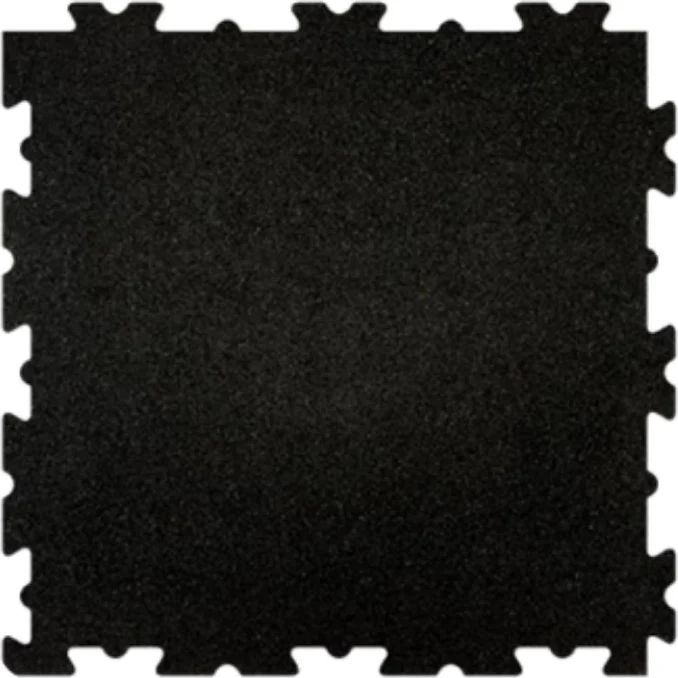
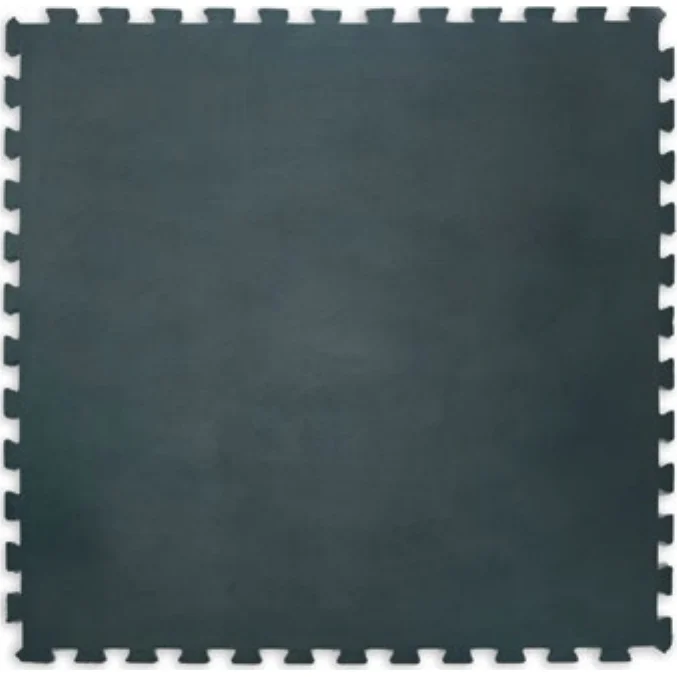
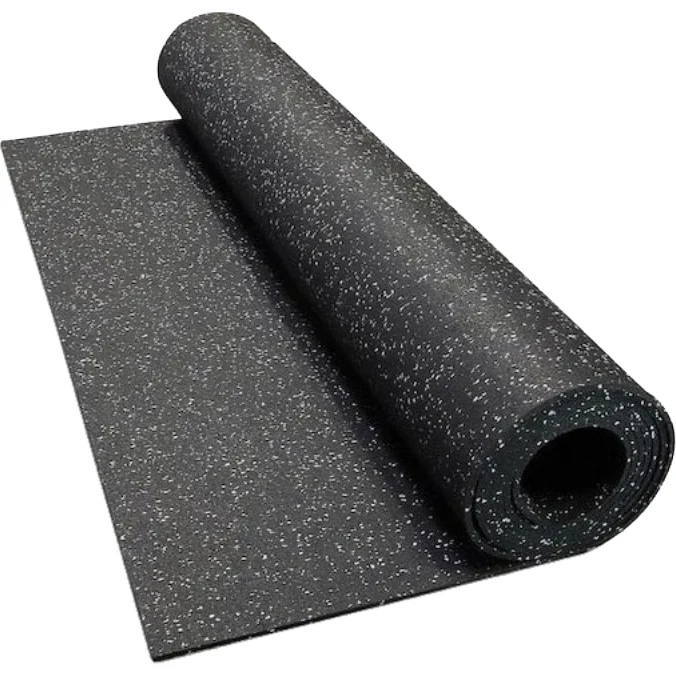
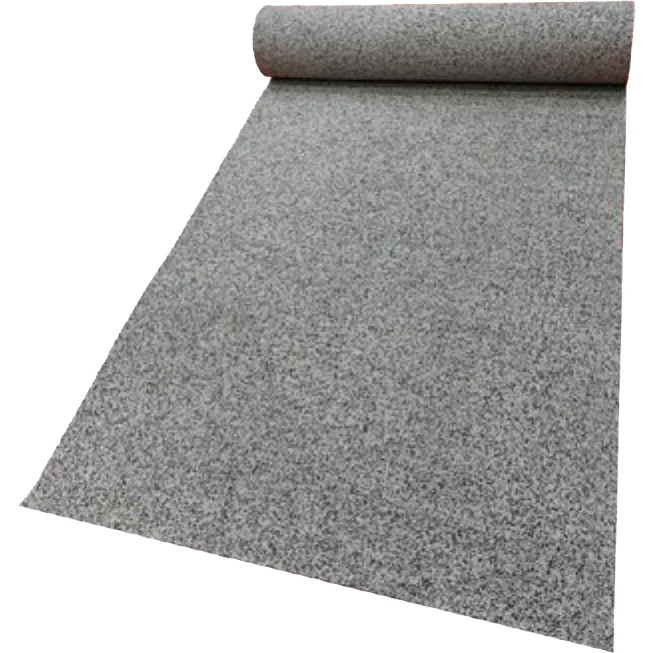
Interlocking and square rubber gym tiles, heavy-duty tiles, rubber rolls, puzzle mats, turf and sled tracks. Prices are confirmed on request after a stock check.

Rubber gym flooring · Supply and installation
Setting up a home gym or commercial fitness centre? Choose the right gym flooring for your space and training needs. Thinner rubber tiles work well under cardio machines, while thicker, heavy-duty tiles provide better protection in weightlifting areas. Get a free site visit, accurate measurements and expert advice anywhere in Dubai.
Quick answer
For most gyms in Dubai, rubber is the best choice. It grips under trainers, takes the shock of dropped weights and keeps noise down for neighbours. Use 8–15 mm tiles or puzzle mats for cardio and home workouts, 20–30 mm or thicker heavy-duty tiles where weights are dropped, and an artificial turf track for sled pushes and functional training.
Thickness by zone
A gym rarely needs one thickness everywhere. Splitting the floor into zones puts the thick, heavier tiles only where weights land.
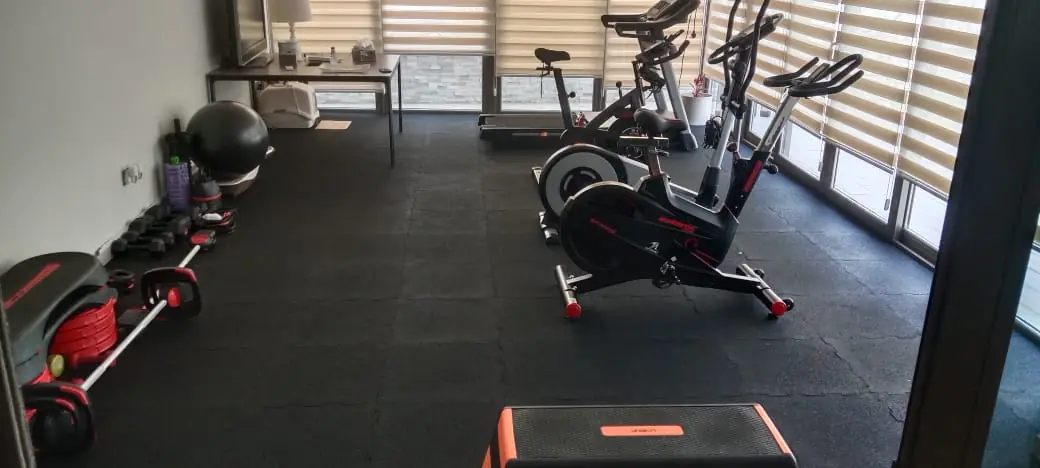
Treadmills, bikes and rowers. Interlocking tiles or rolls protect the floor and reduce vibration.
Racks, platforms and dumbbell areas. Heavy-duty tiles absorb drops and protect the slab.
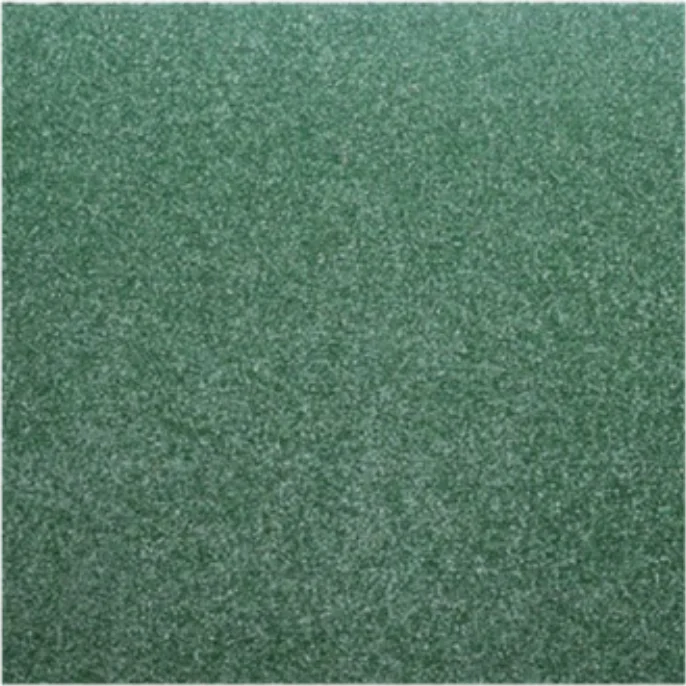
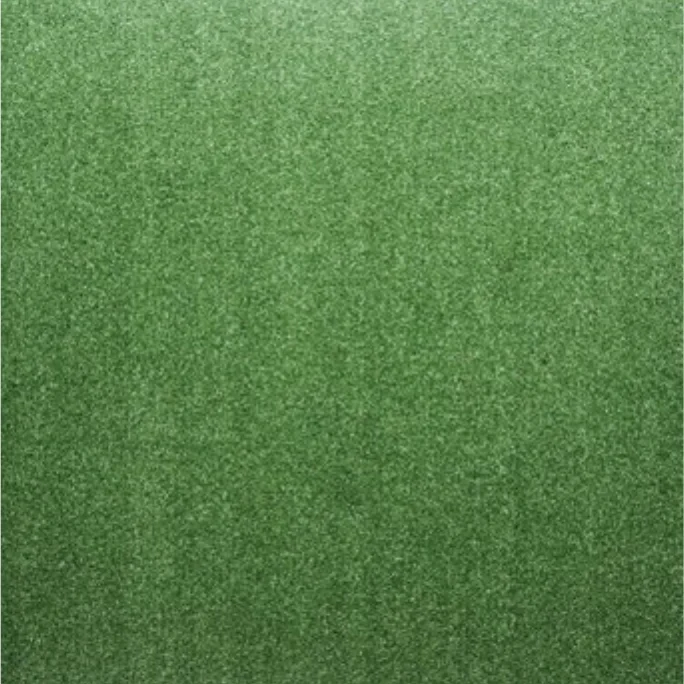
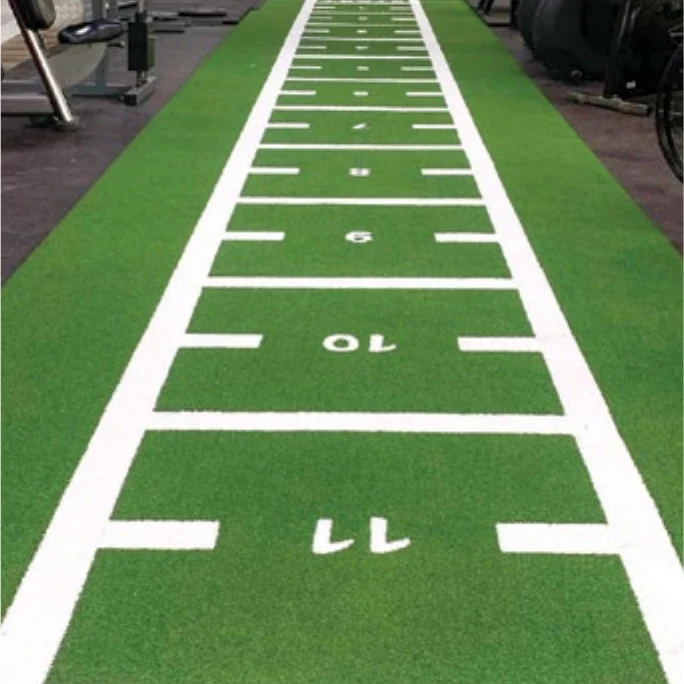
Sled pushes, lunges and agility work on artificial turf tiles or a sled track.
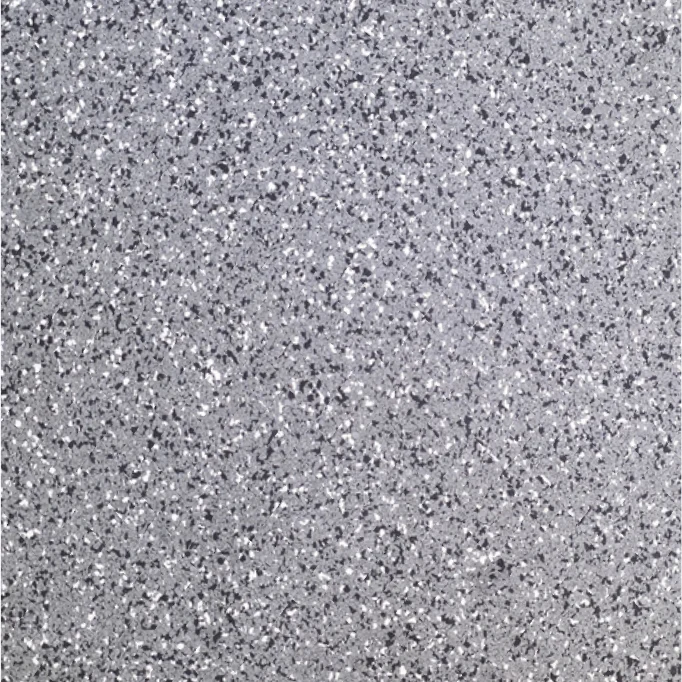
Soft interlocking mats for mobility corners, yoga and children's play.
Home or commercial
Compare
| Rubber gym tiles | Rubber rolls | Puzzle mats | |
|---|---|---|---|
| Best for | Home gyms, lifting areas, mixed rooms | Large commercial floors | Small home setups, stretching, kids |
| Installation | Interlock or loose-lay; quick | Glued and seamed by installers | Push together by hand |
| Joints | Visible tile joints | Very few joints | Many joints |
| Repairs | Replace a single tile | Cut out and patch a section | Swap a mat |
| Weight drops | Excellent in 20 mm and thicker | Good for general training | Light use only |
Pricing
The price depends on the product, thickness, floor area, the floor underneath and the installation work. Thinner 8–15 mm tiles for cardio areas sit at the lower end; 20–30 mm heavy-duty tiles for lifting areas are at the top end or above.
Send your room size and type of training on WhatsApp. We check stock and today's price, then send a written quote with supply and installation listed separately.
Get a price on WhatsAppInterlocking and square rubber gym tiles, heavy-duty tiles, rubber rolls, puzzle mats, turf and sled tracks. Prices are confirmed on request after a stock check.
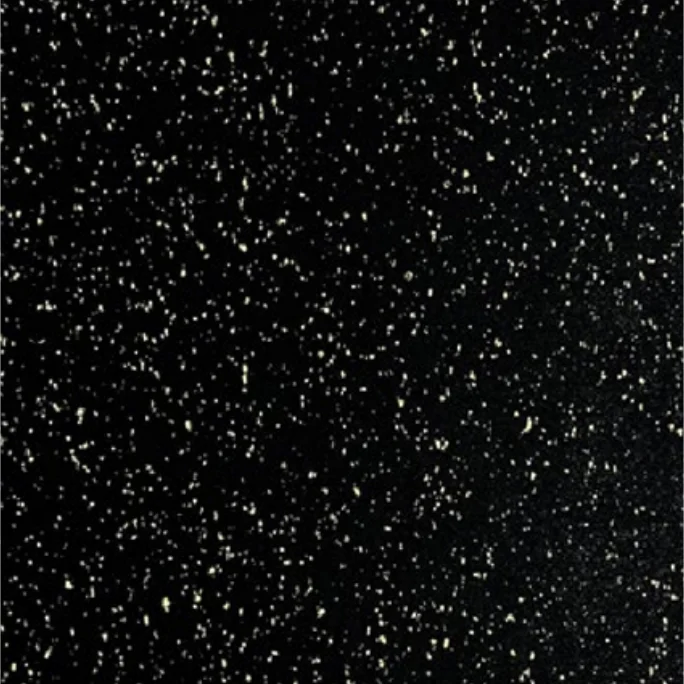
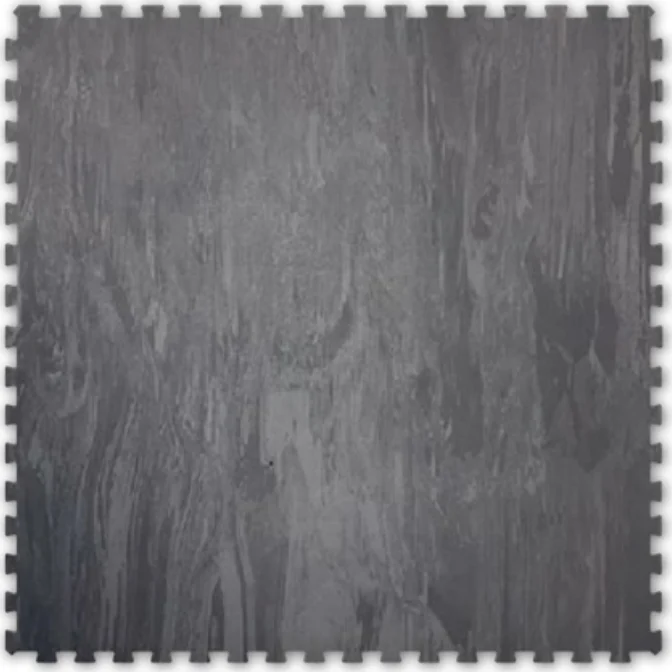
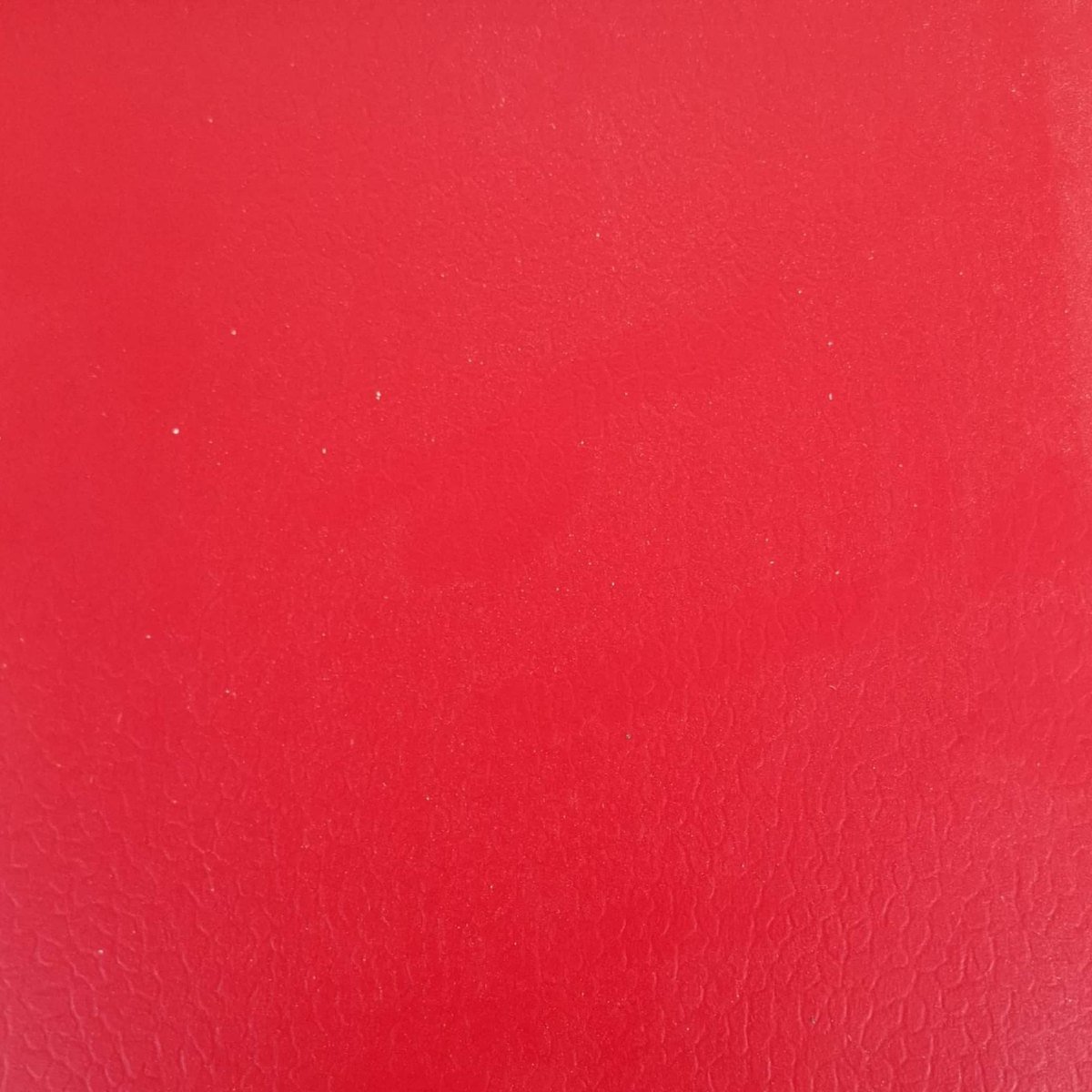
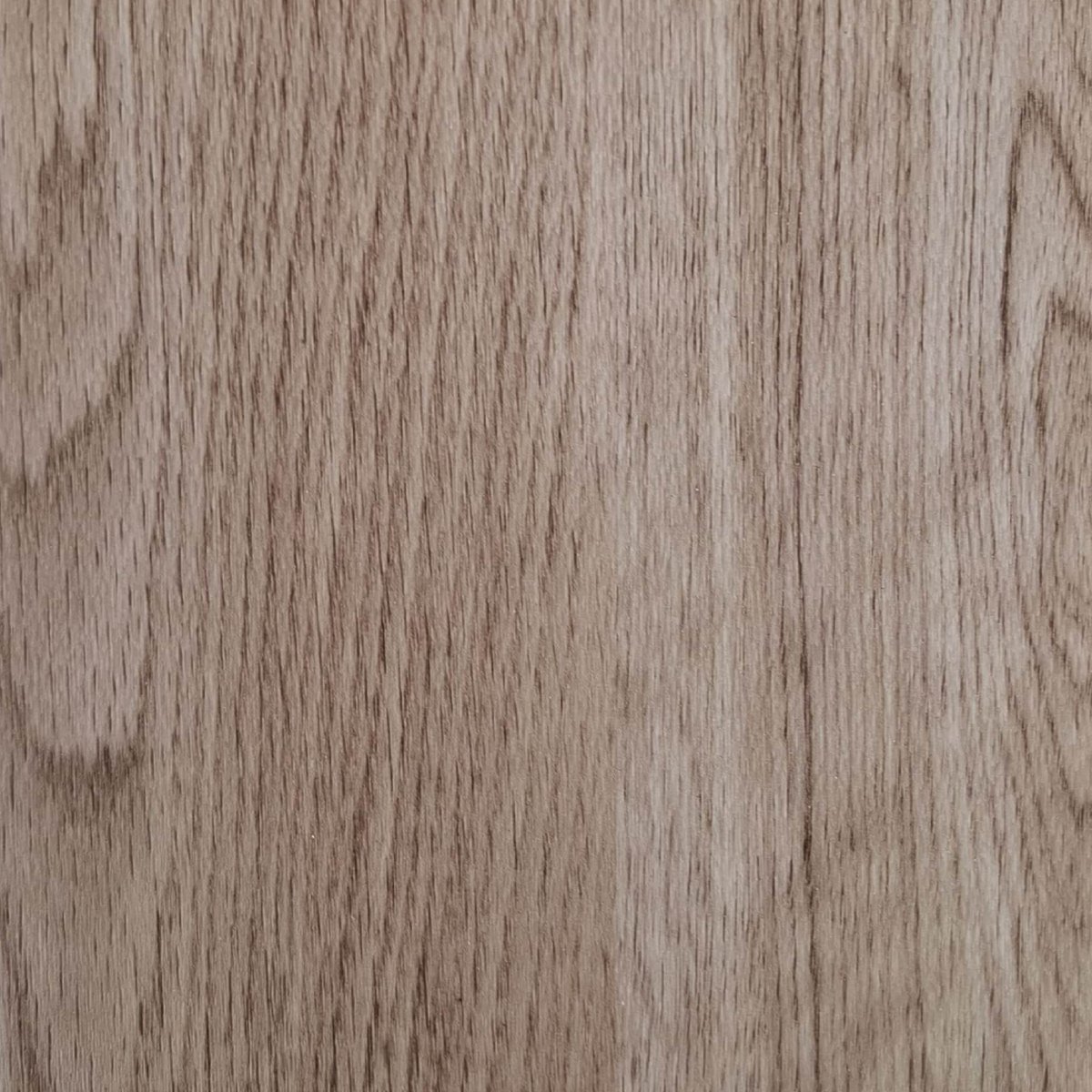
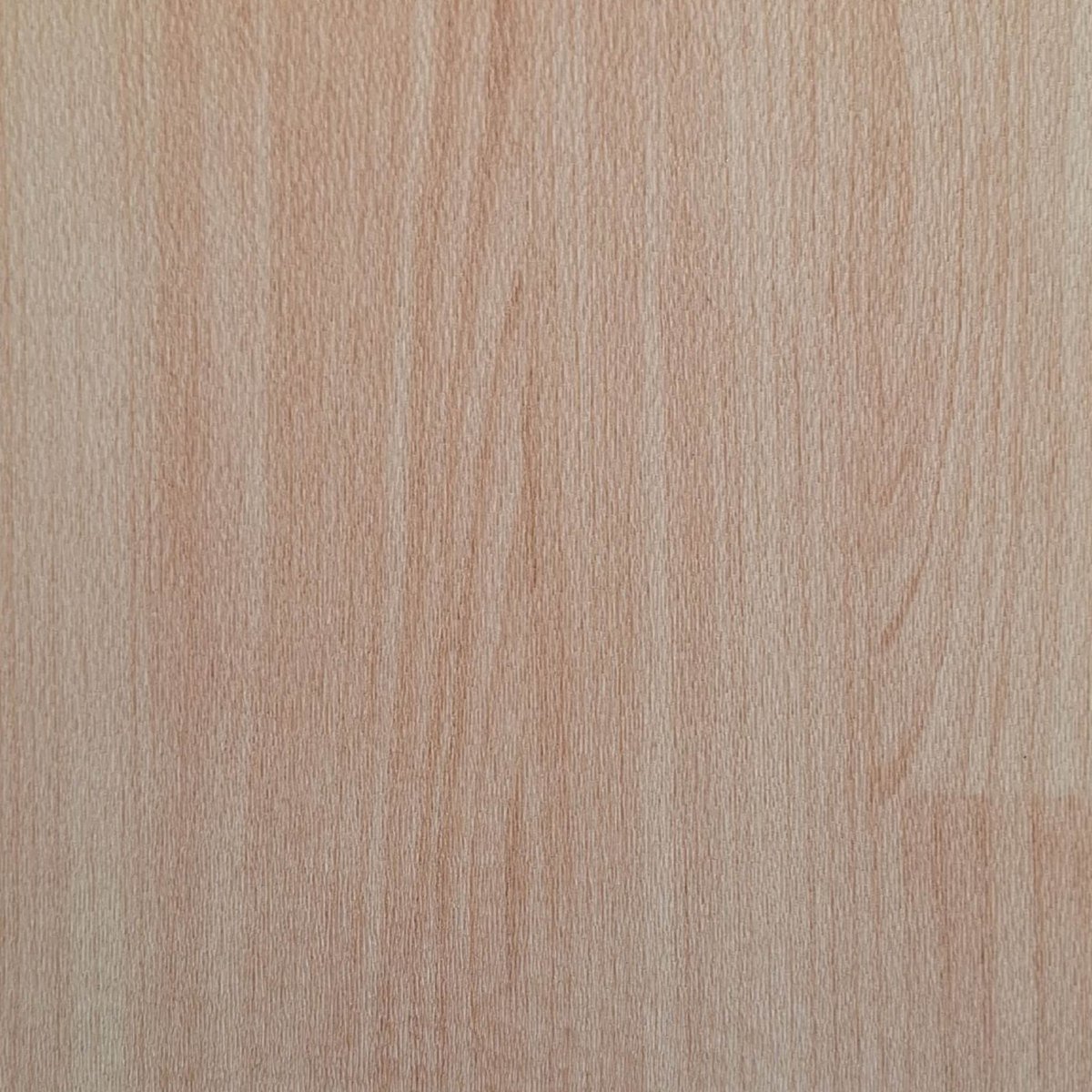
8 mm gym mats in nine colours and wood looks for studios, aerobics rooms, kids’ play areas and light home workouts. Prices are confirmed on request after a stock check.
Need flooring for playgrounds, pool decks, walkways or stables? See our rubber flooring Dubai range.
Installation
We measure the room, check the floor and mark the training zones with you.
Loose or uneven areas are fixed so tiles sit flat and do not rock.
Tiles or rolls are laid from the centre out and cut neatly at walls and columns.
Ramps and edge strips finish open sides; we show you how to clean the floor.
Care in the UAE
Why Floor Land
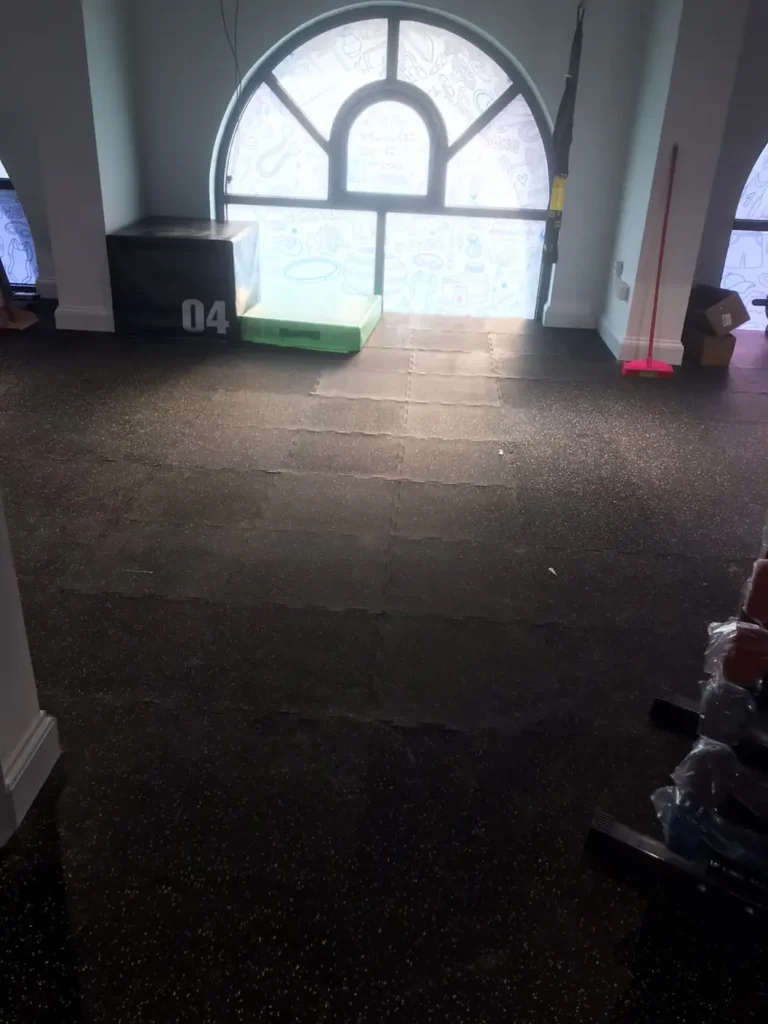
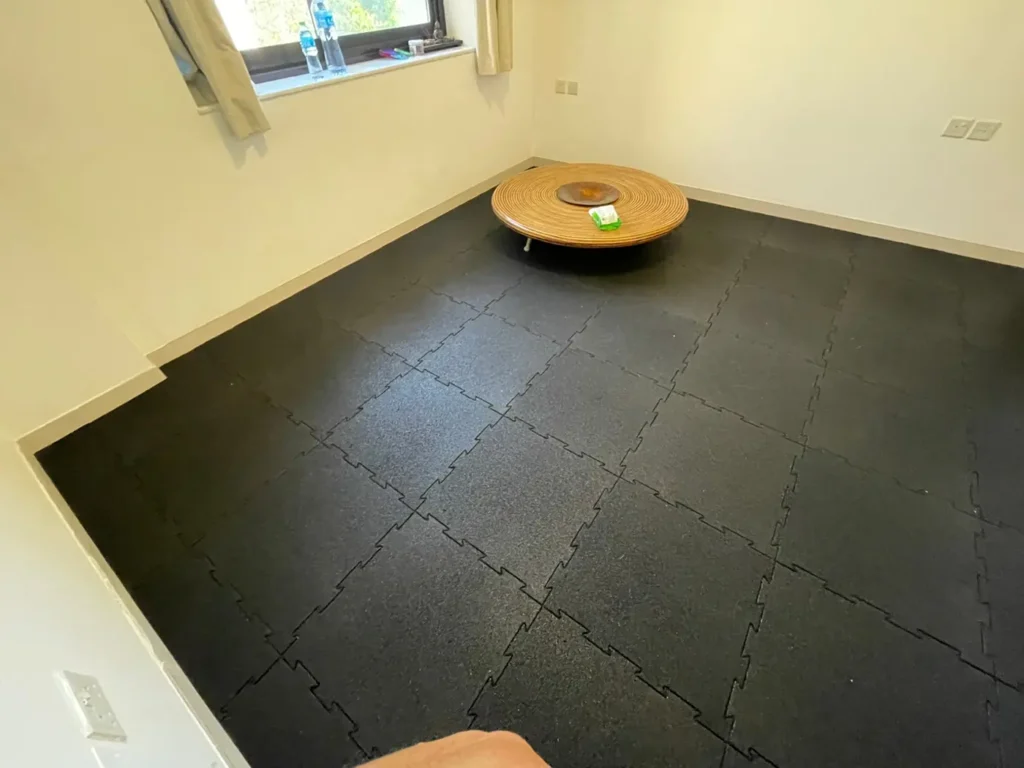
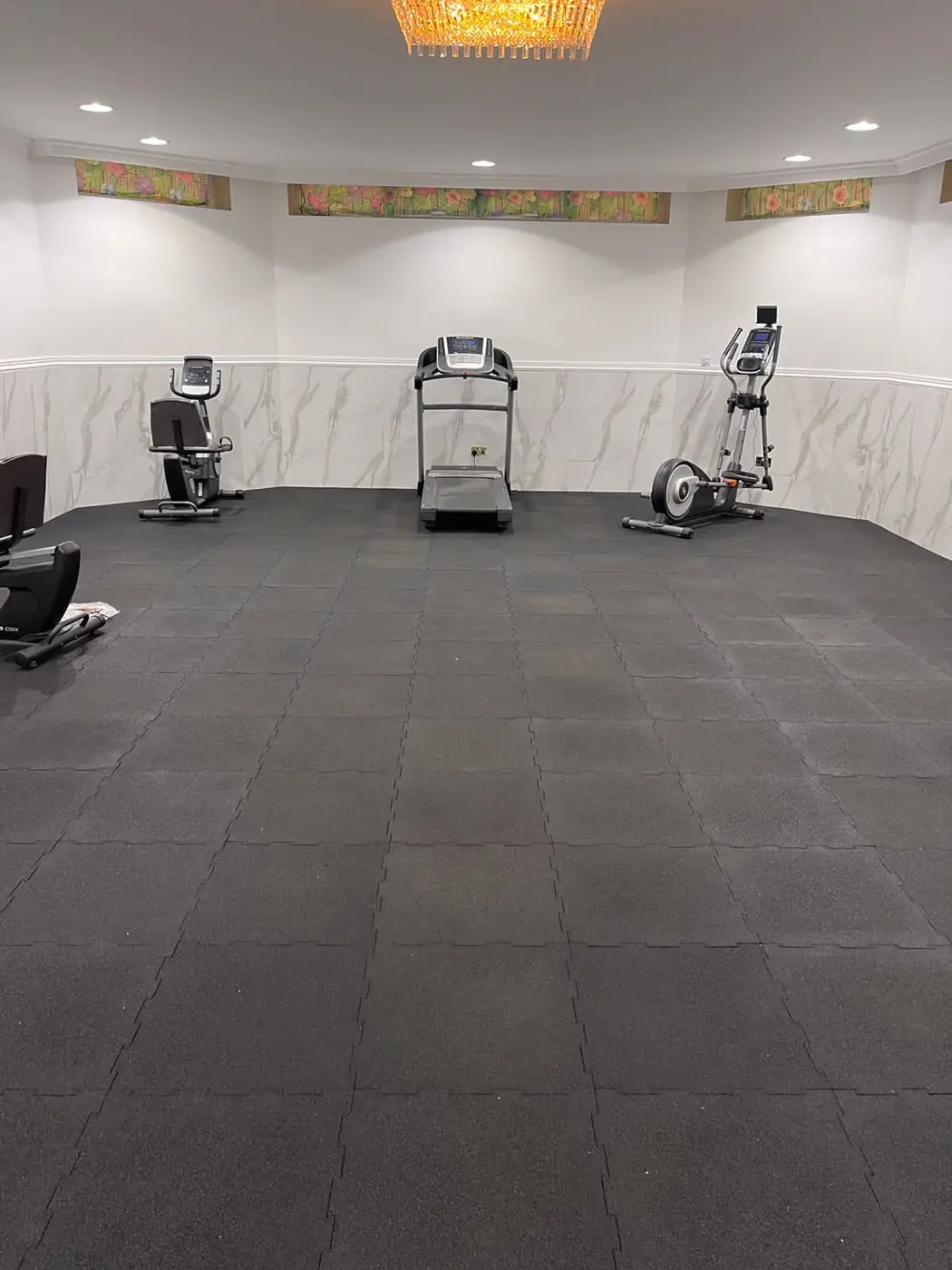
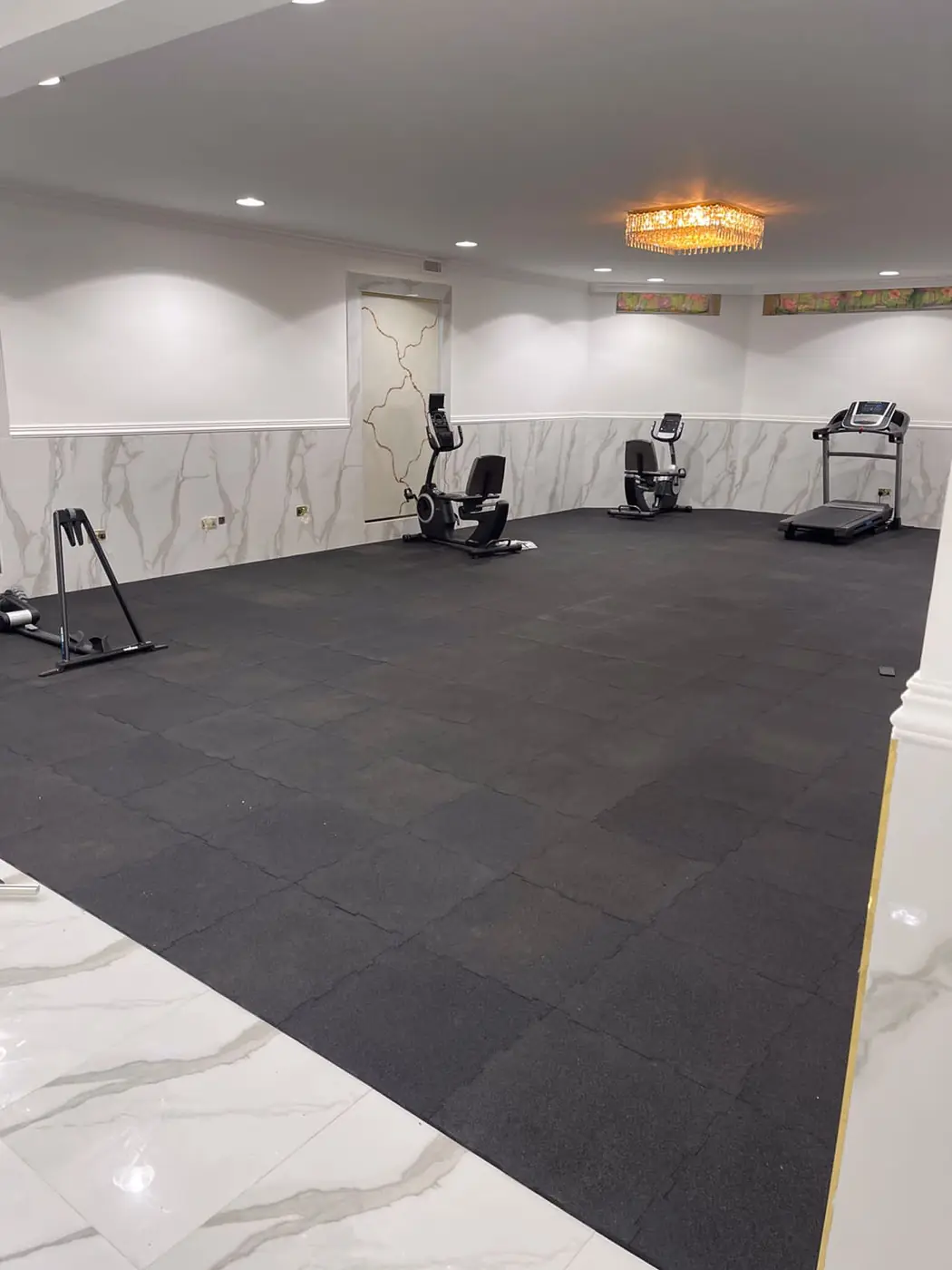
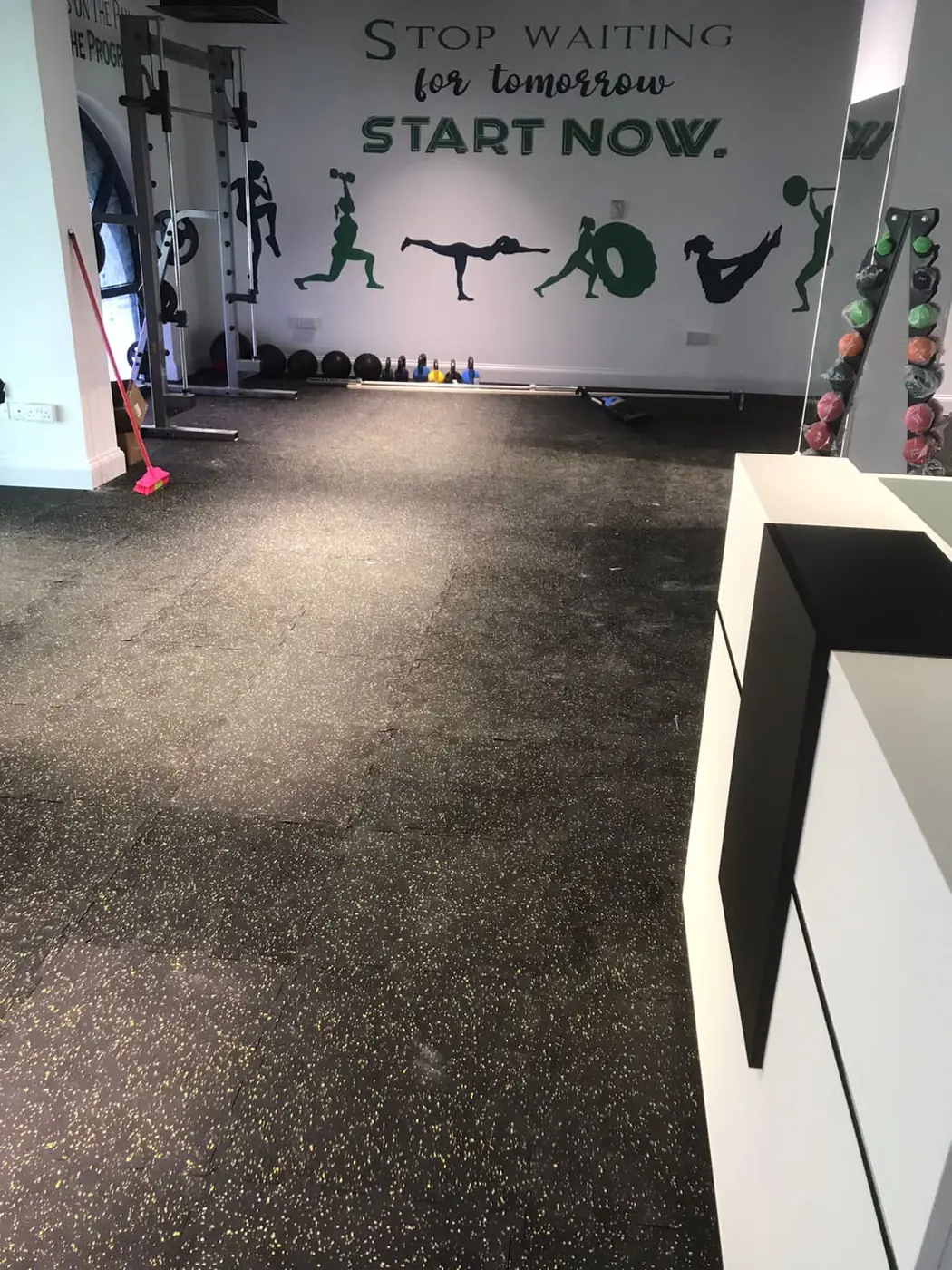
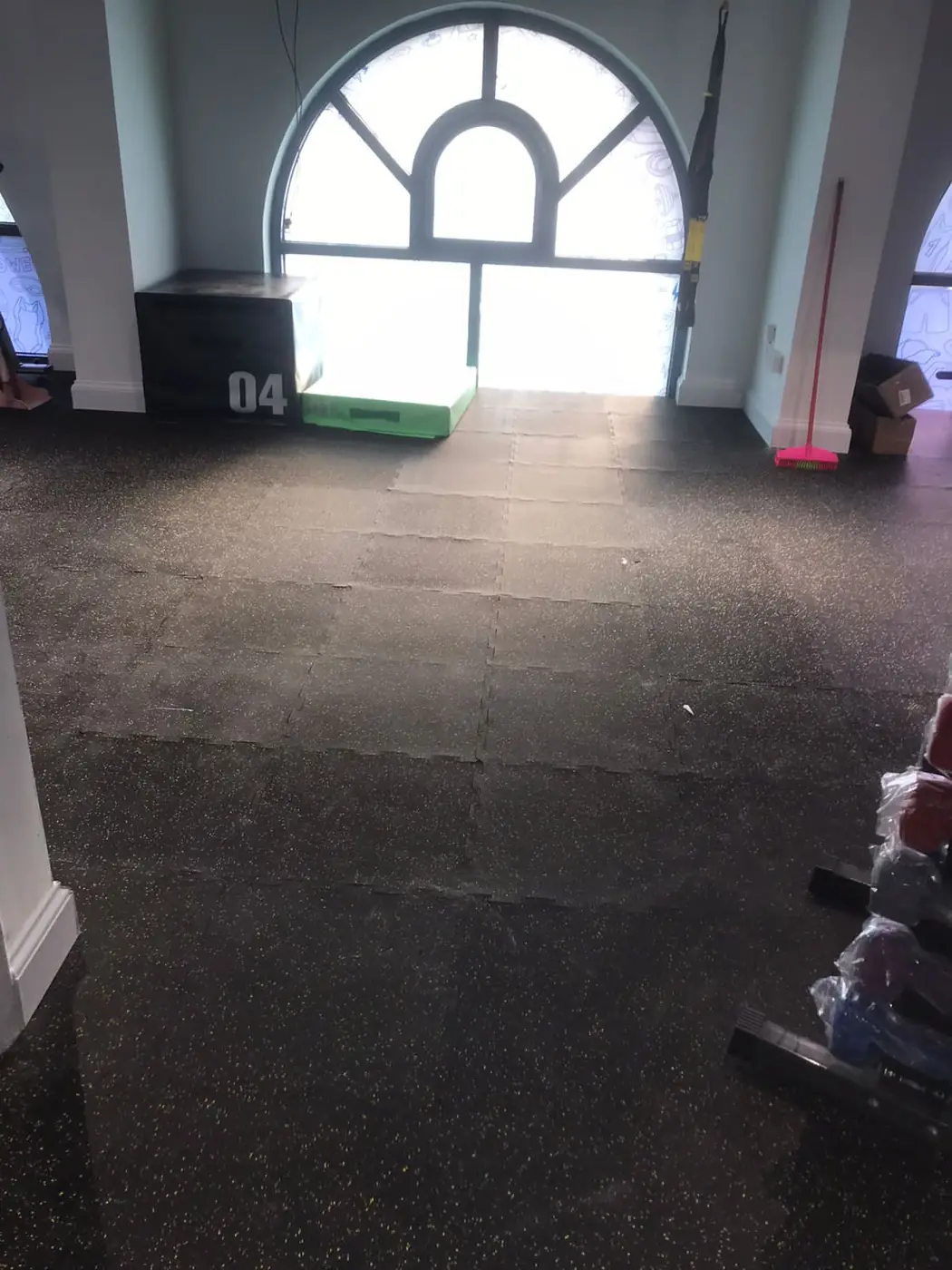
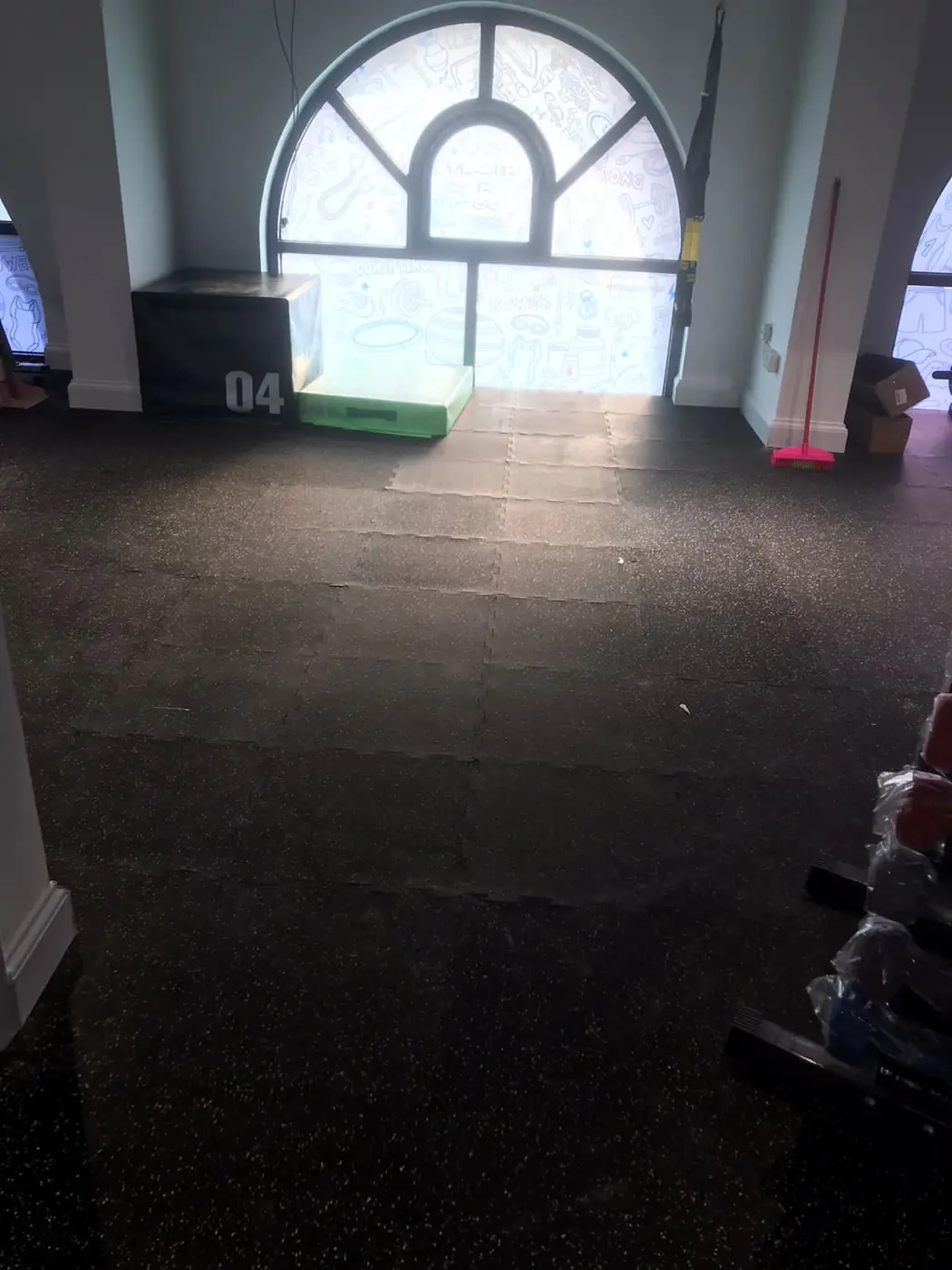
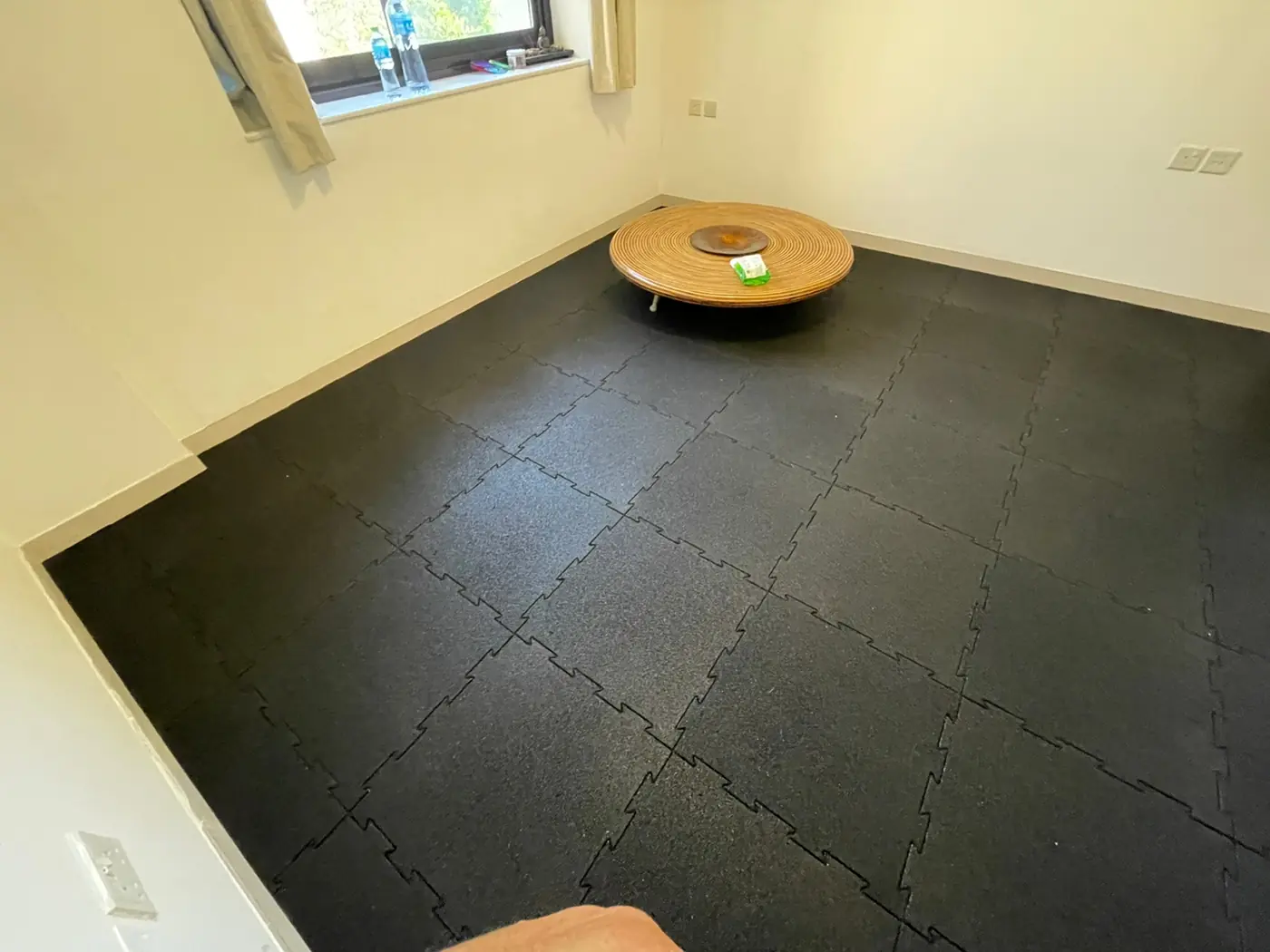
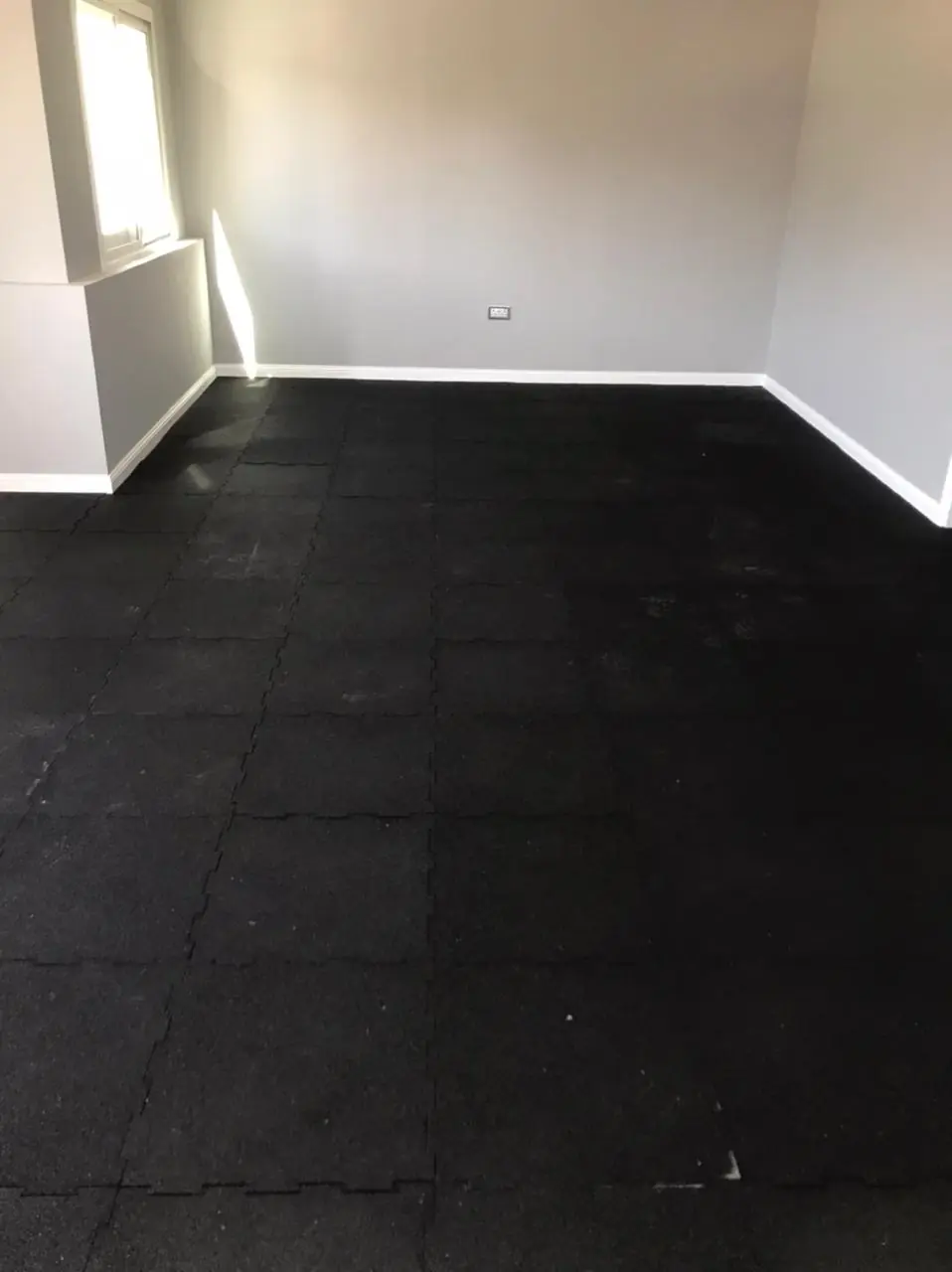
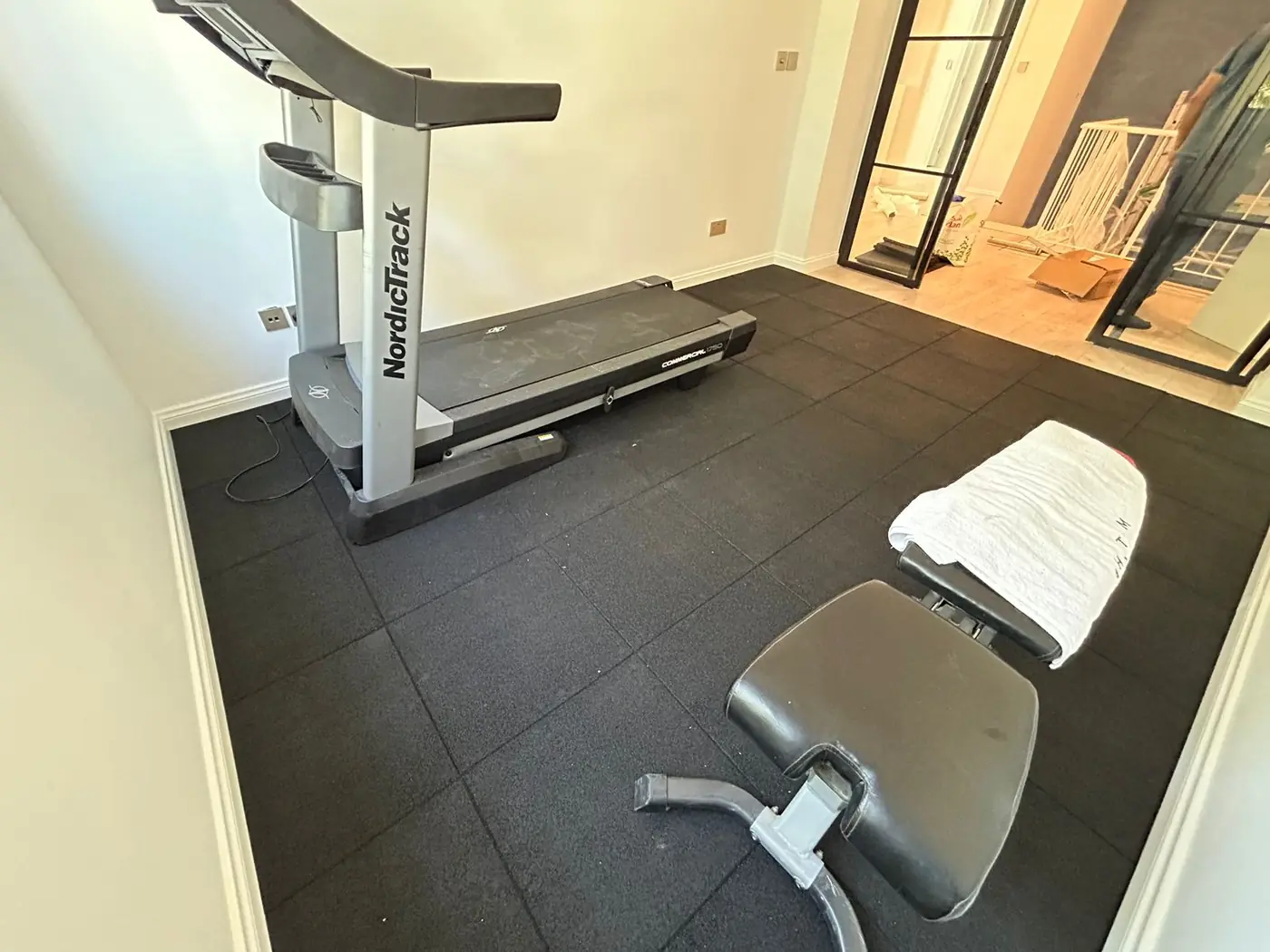
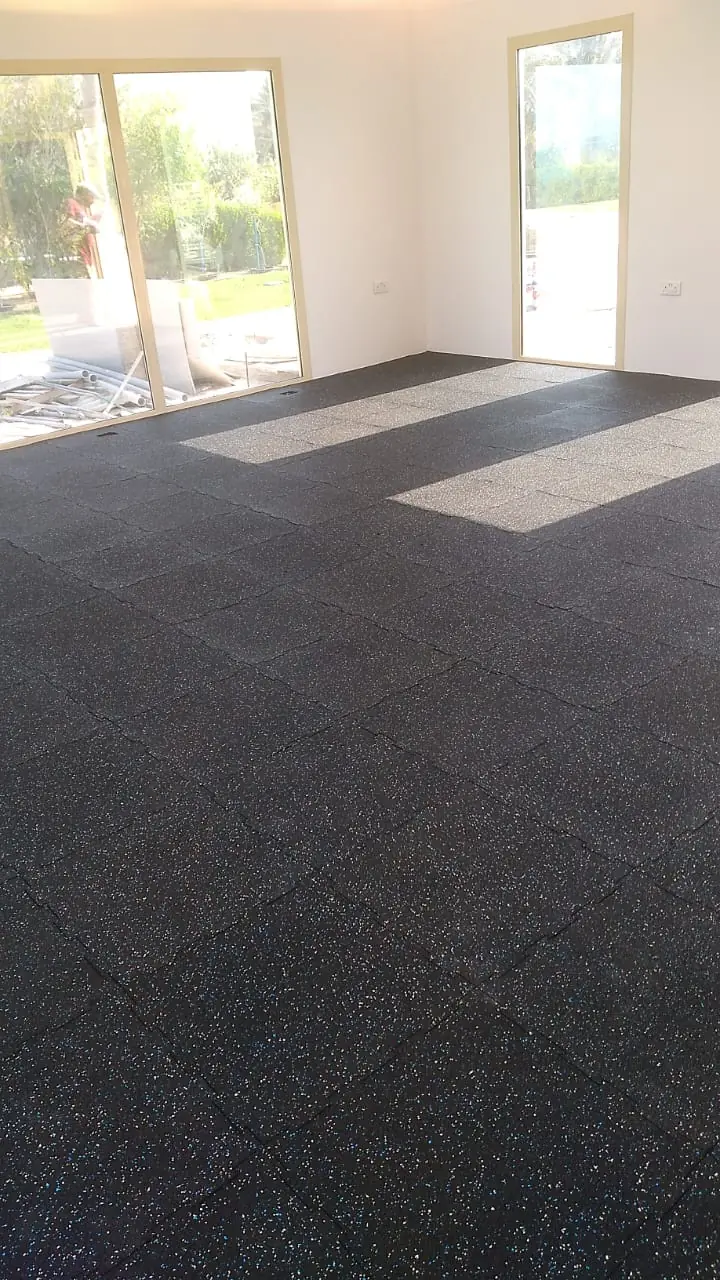
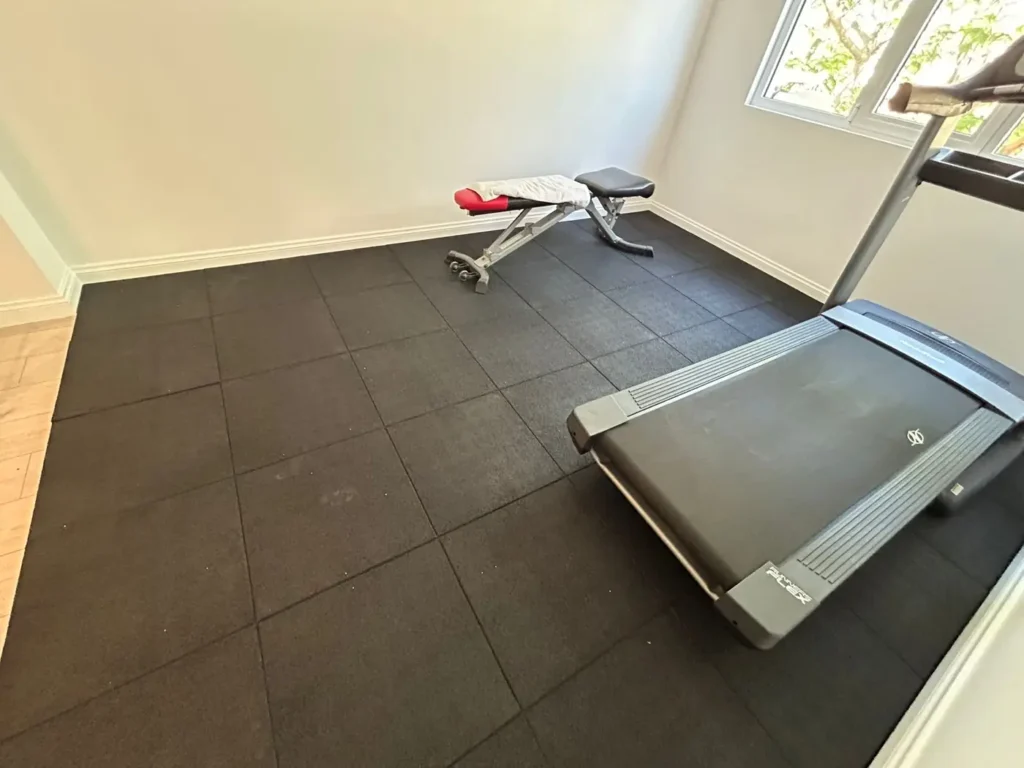
Every photo here is a floor our team fitted in Dubai.
We confirm the product is in stock before we quote.
Own installers, more than 15 years of flooring in Dubai.
FAQs
Interlocking rubber gym tiles are the best all-round choice for a home gym. They protect the floor, reduce noise, handle dropped dumbbells and can be lifted if you move. Use 8 to 15 mm for cardio and bodyweight work and 20 mm or more under a rack or lifting area.
The cost depends on the product, thickness, area, the floor underneath and installation. As a rough guide, rubber gym flooring costs around AED 95 to AED 160 per sqm for supply, with thicker heavy-duty tiles at the top end; installation is quoted separately. Send your room size on WhatsApp and we will check stock and send a written quote; in Dubai we can measure the room first, free of charge.
For deadlifts, Olympic lifts and dropped weights, use at least 20 to 30 mm heavy-duty rubber tiles, or a lifting platform on top of the flooring. For general strength training with dumbbells, 15 to 20 mm is usually enough.
Yes. Rubber tiles are a good way to keep a home gym quiet. For upper floors, an acoustic rubber underlay under the tiles reduces impact noise further. Check your building’s rules on renovation works before installation.
Yes. Rubber gym tiles can sit on firm, level ceramic, porcelain or marble floors, and they protect the stone from dropped weights. Loose or cracked tiles underneath should be fixed first.
Yes, rubber handles the heat, but dark rubber gets hot in direct sun and a closed garage can trap the smell of new rubber. Keep the door shaded, add ventilation and choose tiles rather than glued rolls so the floor can move slightly with temperature.
Choose tiles for home gyms and rooms with lifting areas, because they are quick to fit and easy to replace. Choose rolls for large commercial floors where you want fewer joints. Many gyms combine both: rolls for cardio and tiles for weights.
Vacuum or sweep often to remove grit, then mop with water and a pH-neutral cleaner. Avoid bleach, oil-based sprays and steam mops, which can damage the surface.
New rubber has a mild smell for the first few weeks. Ventilation and the AC help it fade faster.
A home gym room is usually finished in a day. Larger commercial gyms take longer, depending on the area, floor preparation and whether rolls need gluing.
Yes. We are based in Al Quoz, Dubai, and also supply and install in Abu Dhabi, Sharjah and Ras Al Khaimah. Delivery is free within Dubai; for other emirates it is included in your quote.
Yes. For indoor courts and multi-sport halls we also supply sports vinyl flooring. See our vinyl flooring page or message us with the sport and the size of the hall.
Free Consultation
Share your details and we will call you back with prices and a site visit time.
Contact Us
Send your room sizes and training type for a gym flooring price. Samples and site visits in Dubai are free.