
Low Maintenance Garden Ideas for a Neat and Tidy Garden
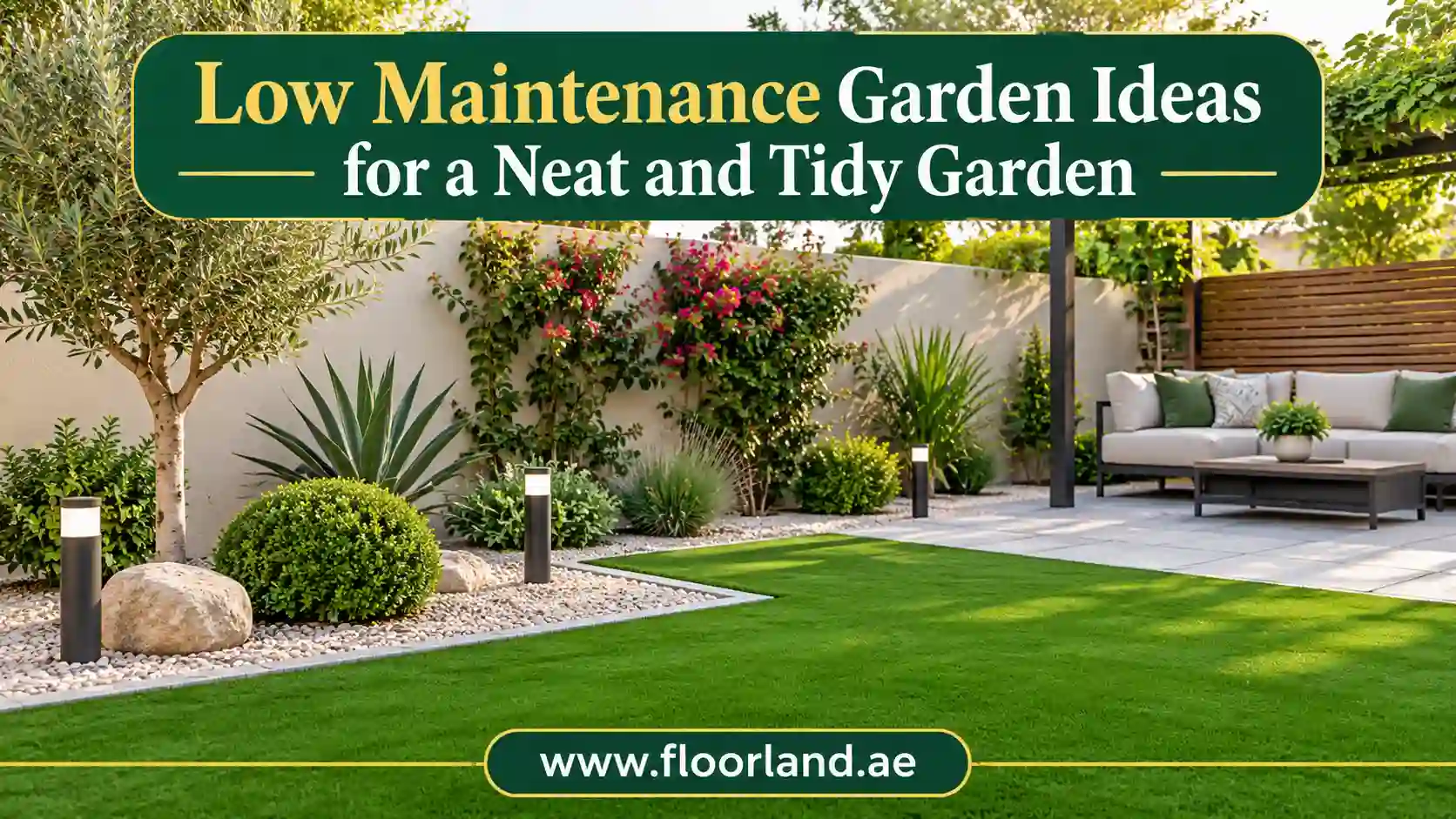
A low-maintenance garden is designed so routine jobs like mowing, weeding, watering, and pruning either disappear or shrink to a few short sessions a year. The most effective low-maintenance garden ideas for a neat and tidy garden work at the design stage. Choose plants suited to your climate and soil, keep the layout simple, and cover bare soil with mulch, gravel or ground-cover plants so weeds struggle to take hold. Reducing or replacing the lawn, adding crisp edging and using durable hard landscaping make the biggest difference to your weekly workload. Drip irrigation on a timer handles the watering. In this blog post by Floor Land, you’ll find practical ideas for every part of the garden, with honest notes on the upkeep each option still needs.
What Makes a Garden Low Maintenance?
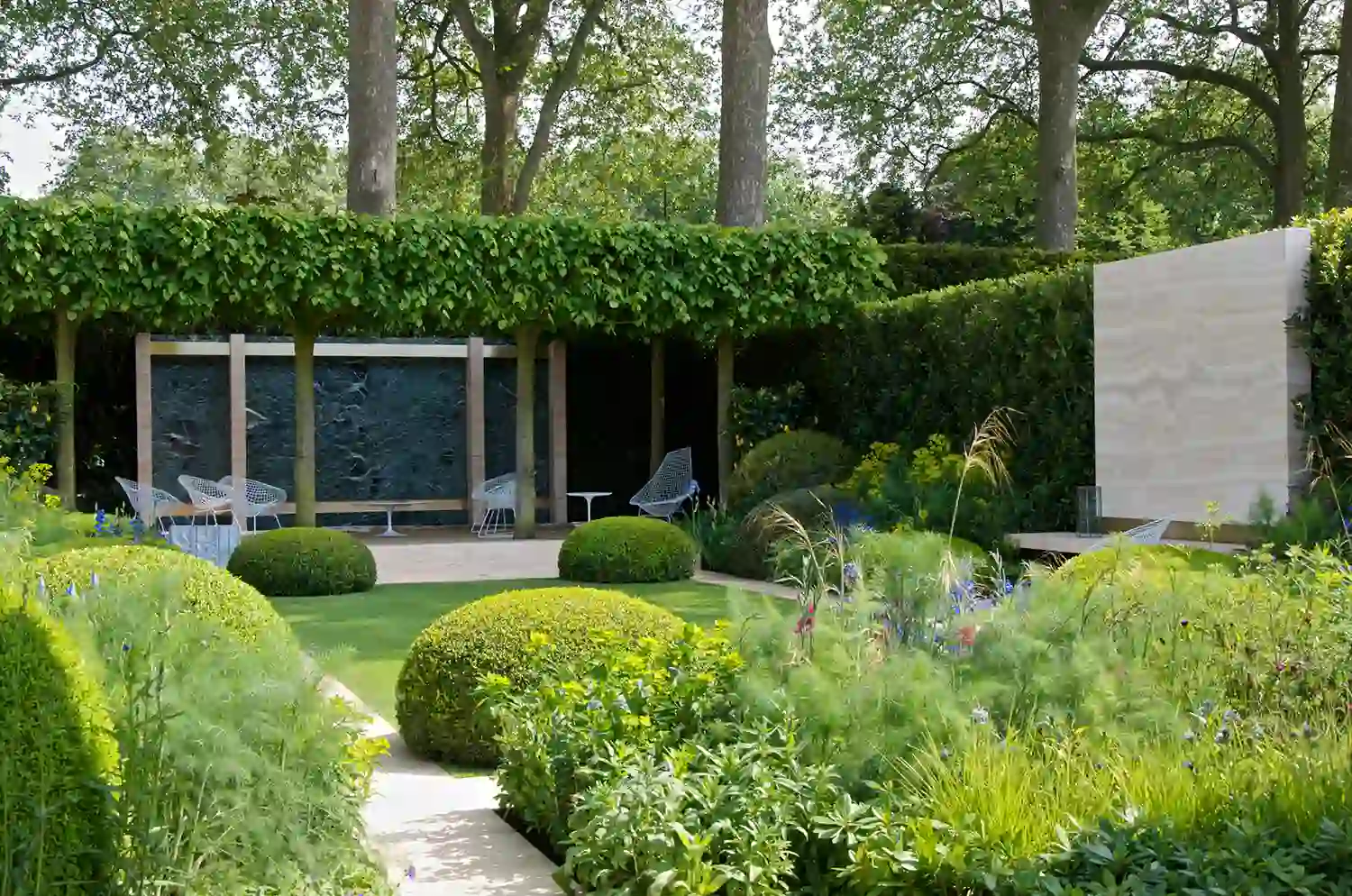
A garden becomes low maintenance when its design removes the jobs that create the most work, rather than relying on you to keep up with them. Most garden work comes from three sources: weeding bare soil, mowing and edging grass, and dealing with plants that grow too big or struggle where they’re planted. No garden is entirely maintenance-free, but design decides whether upkeep takes every weekend or an hour now and then.
Some elements need far more care than others. Paved areas and well-built structures need the least attention, followed by trees and shrubs, then ground covers and lawns. Annual bedding, fussy roses and plants in small pots need the most. You don’t have to remove every high-care element; just use them sparingly, where you’ll enjoy them most.
Neatness also comes from design. A garden looks tidy when its edges are crisp, its materials stay where you put them and its planting repeats in a clear pattern.
Start With a Simple Layout and Clear Zones
A clear layout is the foundation of every low-maintenance garden design. When each area has a defined purpose and a simple shape, jobs take less time, and the garden looks organised before you’ve planted anything.
Find Out Where Your Time Goes
Start by listing the jobs you do most often and the ones you avoid. Typical culprits are a narrow strip of lawn that needs hand-trimming, a bed that’s always weedy and a row of pots that dries out every afternoon. Fix the worst offenders first; the rest of the garden may need less change than you expect.
Give Each Area a Single Job
Divide the space into zones for sitting, walking, planting and, if needed, play or storage. Each zone then has its own small set of tasks, which keeps maintenance predictable and stops the garden looking cluttered. A seating area near the house works best on a hard, easy-to-sweep surface. Comparing outdoor flooring options for terraces and patios helps you match the material to sun, foot traffic and drainage. Keep planting zones further out, where a little seasonal untidiness won’t be noticed from the kitchen window.
Choose Fewer, Bolder Shapes
Straight lines and gentle curves are quicker to mow, edge and sweep than complicated outlines. Avoid sharp lawn corners and grass strips narrower than your mower. Keep beds narrow enough to reach the middle from a path or stepping stone, so you never compact the soil by standing on it. Two or three generous beds look calmer than six small ones.
Rethink the Lawn
Lawns are often the single biggest time commitment in a garden. Grass needs regular mowing, edging, feeding and watering to stay even, and in hot, dry climates it can be one of the thirstiest surfaces you own. You have three practical options: shrink it, replace it or let it grow longer.
Shrink It and Simplify Its Shape
Reducing the lawn to a simple rectangle or oval that you actually use saves time immediately. Lay a flush mowing strip of brick or stone around the edge so the mower runs straight over it, which removes most hand edging. For a larger lawn, a robotic mower can take over the cutting. It still needs setting up, boundary wires on many models and occasional blade changes.
Replace Grass With Artificial Turf Where It Makes Sense
Artificial grass removes mowing, watering and feeding, and it stays green where natural turf would brown or thin. It suits small lawns, shaded courtyards where grass keeps failing, balconies and play areas. If you’re considering artificial grass for lawns and play areas, plan for a few realities:
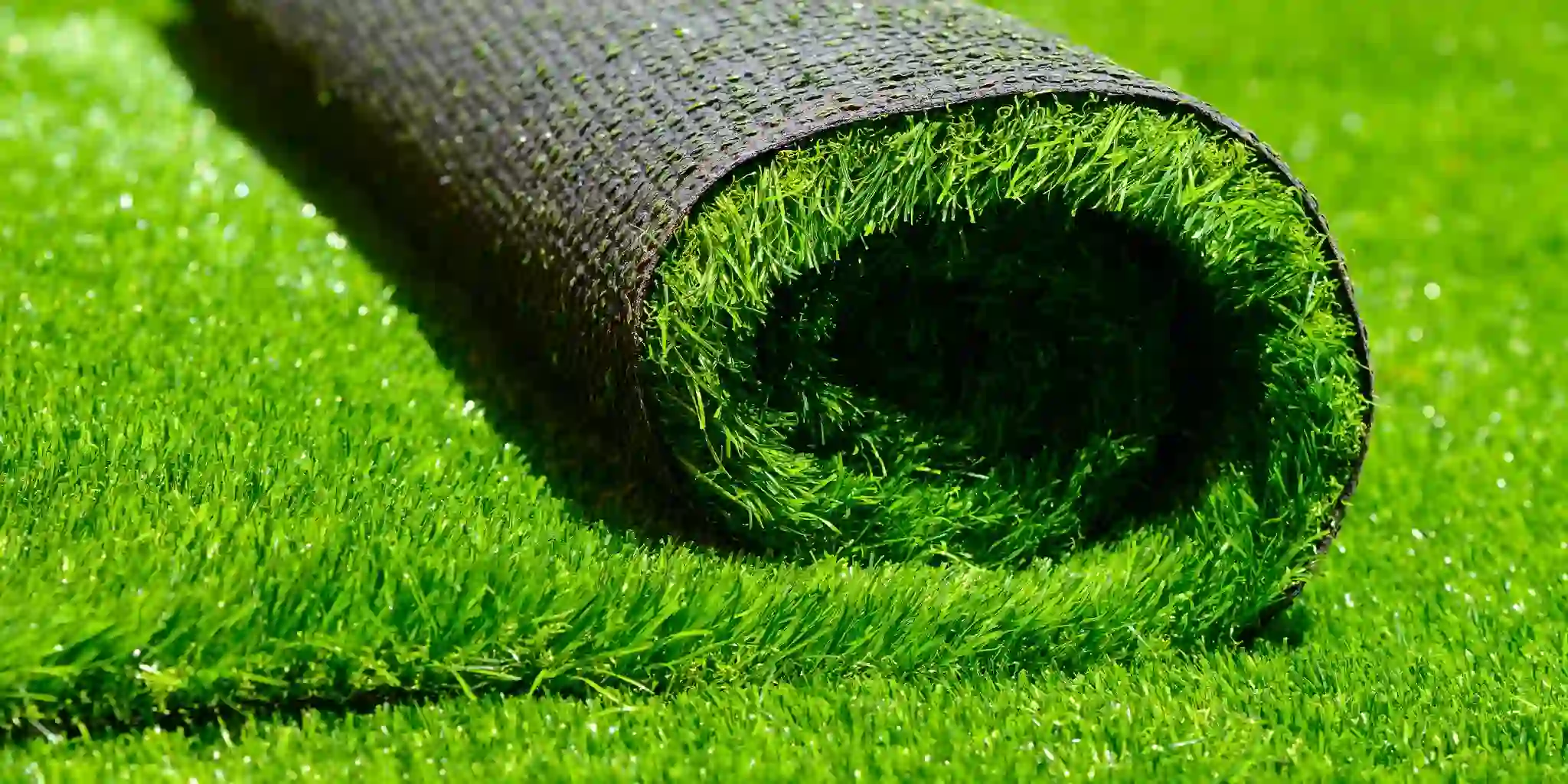
- It still needs brushing to lift the fibres, regular removal of leaves and dust, and rinsing where pets use it.
- It needs a properly prepared, free-draining base, or water pools and the surface ripples.
- It gets hot in direct sun, so shade from a tree, sail or pergola improves comfort.
- It doesn’t support soil life or insects, so balance it with generous planting elsewhere.
Choose UV-stabilised turf with a pile height suited to the use. Shorter, denser fibres handle heavy foot traffic, while longer piles look softer in decorative areas.
Let Some Grass Grow Longer
In temperate gardens with reliable rainfall, longer grass with mown paths through it looks intentional and cuts mowing time. A sown meadow goes further, but it needs weeding while it establishes and at least one cut a year. This approach suits larger plots and rarely works in hot, arid gardens without irrigation.
Hard Landscaping That Keeps the Garden Neat
Well-chosen hard surfaces need less care than anything planted, and they give the garden a clean frame. Build them properly, though, because poor drainage and loose joints create maintenance of their own.

Patios and Paths That Drain and Stay Weed-Free
Patios and paths stay neat when they shed water and give weeds nowhere to root. Lay patios with a gentle fall away from the house so rainwater runs off. Fill the joints with a polymeric or resin-based compound instead of loose sand, which washes out. Permeable surfaces, such as gravel on a compacted base or permeable pavers, reduce runoff and puddles. Pale, smooth stone shows every leaf and stain, while textured mid-tones hide dust between sweeps.
Composite Decking Instead of Timber
Timber decks look warm but need regular cleaning, plus oiling or staining to stop them greying and splitting.Composite (WPC) decking needs no oiling, doesn’t splinter and won’t rot, so a sweep and an occasional wash keep it presentable. The trade-offs are real. Boards get hot in strong sun, especially dark colours, and the colour softens slightly in the first months outdoors. The boards also need expansion gaps. A lighter shade suits sunny terraces.
Edging That Does the Trimming for You
Edging is the quickest way to make a garden look neat. A strip of steel, aluminium or brick between lawn and border stops grass creeping into beds, keeps mulch and gravel off paths and gives the mower a clean line. Set it flush with the lawn where you mow, or slightly raised where it holds gravel. Plastic edging costs less but tends to lift and bend.
Fences and Screens Instead of Fast Hedges
Fast-growing hedges such as privet or Leyland cypress can need trimming several times a year. A solid fence, slatted screen or rendered wall gives instant privacy and needs only occasional cleaning or repainting. For greenery, you can train a climber on wires or plant a slow-growing evergreen. Another option is to fixartificial grass wall panels to courtyard or balcony walls. These need occasional dusting rather than clipping, and they last best in sheltered spots.
Easy-Care Planting Ideas
Plants become low maintenance when they suit the spot they’re in. A plant that’s happy where it grows needs less water, attracts fewer pests and rarely needs replacing, so choosing well matters more than any later care.
Match Plants to Your Climate, Soil and Light
The right plant starts with knowing your site. Watch how many hours of direct sun each area gets. Dig a test hole to see whether water drains or sits, and use a simple soil test to learn whether your soil is acidic, alkaline, sandy or clay. Then choose plants that naturally thrive in those conditions, instead of reshaping the ground to suit a favourite. Regionally adapted and native plants are a strong starting point. Still check them against your actual site, because compacted new-build soil differs from their natural habitat.
Plan for Mature Size, Not Pot Size
Most pruning happens because a plant has outgrown its space. Check the label for expected height and spread, and space plants for that size even if the bed looks sparse at first. Dwarf and compact varieties give the same look without the annual chop. Resist impulse buys: a shrub that looks perfect in a nursery pot may double in size within two seasons.
Build Structure With Evergreen Shrubs and Grasses
Evergreen shrubs and grasses give a garden shape all year and usually need only a light trim. In temperate gardens, reliable choices include:
- pittosporum, hebe and rosemary
- lavender, in free-draining soil
- evergreen grasses and sedges
- hardy geraniums and sedums to fill the gaps beneath them
Hot, dry gardens need a different list:
- Texas sage (Leucophyllum frutescens) and Dodonaea, which cope with heat and limited water once established
- agave, aloe and desert rose, which work well in gravel
- bougainvillea, which gives strong colour on little water but grows vigorously and has thorns, so it needs a sturdy frame
- native trees such as sidr (Ziziphus spina-christi) and ghaf (Prosopis cineraria), which provide shade suited to arid conditions
Repeat a Short Plant List
A garden with forty different plants looks busy and needs forty kinds of care. Choose four to six dependable plants and repeat them in groups through the beds. Repetition makes even a young garden look planned and simplifies watering, pruning and replacement.
Avoid Plants That Quietly Add Work
Some plants look easy in the nursery but create jobs later:
- Annual bedding, which needs replanting every season and frequent watering.
- Vigorous climbers such as wisteria, and running bamboo, which spreads unless contained.
- Trees and shrubs that drop messy fruit, pods or heavy litter onto paths.
- Prolific self-seeders that pop up in paving joints.
- Thirsty plants in small pots, which may need daily watering in hot weather.
If you love one of these, keep it to a single spot that’s easy to reach.
Cover Bare Soil: Mulch, Gravel and Ground Cover
Bare soil invites weeds and dries out quickly, so covering it is one of the easiest ways to keep a garden tidy. The right cover depends on the area and how you use it.
Mulch Planting Beds Properly
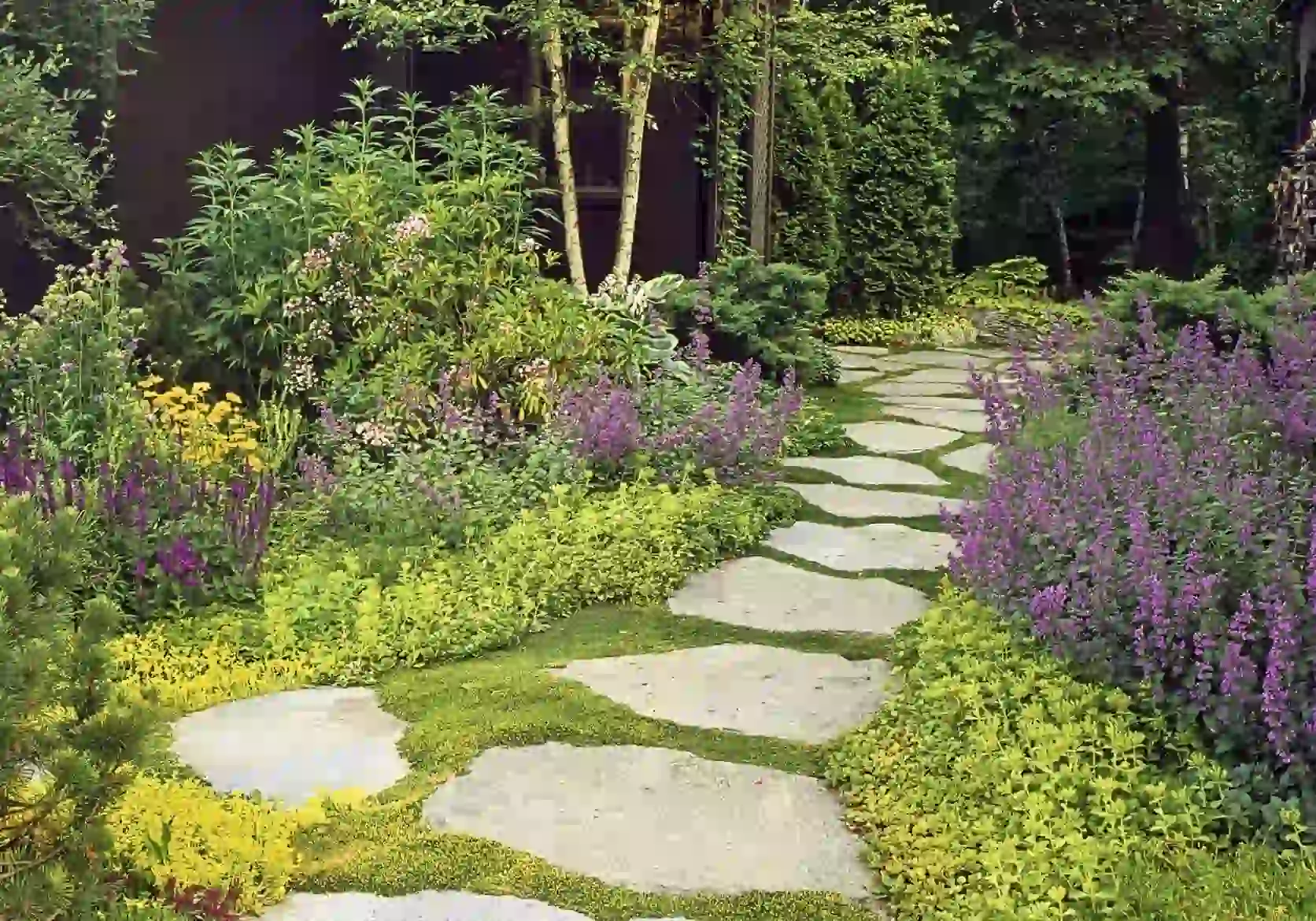
Organic mulch such as bark, wood chip or composted green waste suppresses weed seeds, holds moisture and improves the soil as it breaks down. Weed and water the bed first. Then spread mulch around 5–8 cm (2–3 in) deep, keeping it a few centimetres clear of stems and trunks to prevent rot. Top it up as it thins, typically every year or two. Skip plastic membrane under bark. Weeds root into the decomposing mulch on top, and the fabric stops organic matter reaching the soil.
Use Gravel Where It Suits the Site
Gravel suits dry, sunny areas, paths and plants that dislike wet roots. Angular gravel locks together better than rounded pea gravel, which rolls underfoot and migrates onto lawns. A permeable membrane slows weeds from below but can’t stop seeds landing on top, so expect to pull the odd seedling and clear leaves regularly. Gravel near walls can also reflect heat, so soften large areas with planting.
Plant Living Ground Covers
Low, spreading plants knit into a weed-suppressing carpet and often outperform grass on slopes and in shade. Geranium macrorrhizum, ajuga and creeping thyme are dependable in temperate gardens. In hot, dry gardens, succulent ground covers suited to sandy soil do a similar job. Expect to weed between young plants for the first one or two growing seasons.
| Surface | Works best for | Ongoing upkeep | Watch out for |
| Bark or wood-chip mulch | Planting beds, around shrubs | Top up every year or two | Breaks down; can blow in exposed spots |
| Gravel or decorative stone | Paths, dry gardens | Rake, clear leaves, pull seedlings | Spreads without edging; reflects heat |
| Living ground cover | Slopes, shade, gaps between shrubs | Weeding until established | Some types spread too far |
| Artificial grass | Small lawns, play areas, balconies | Brush, clear debris, rinse pet areas | Heat in direct sun; needs drainage |
| Paving | Seating areas, paths | Sweep, wash, maintain joints | Weeds in loose joints; pale stone stains |
| Composite decking | Terraces, raised seating | Sweep and wash | Gets hot; needs expansion gaps |
Low Maintenance Garden Border Ideas
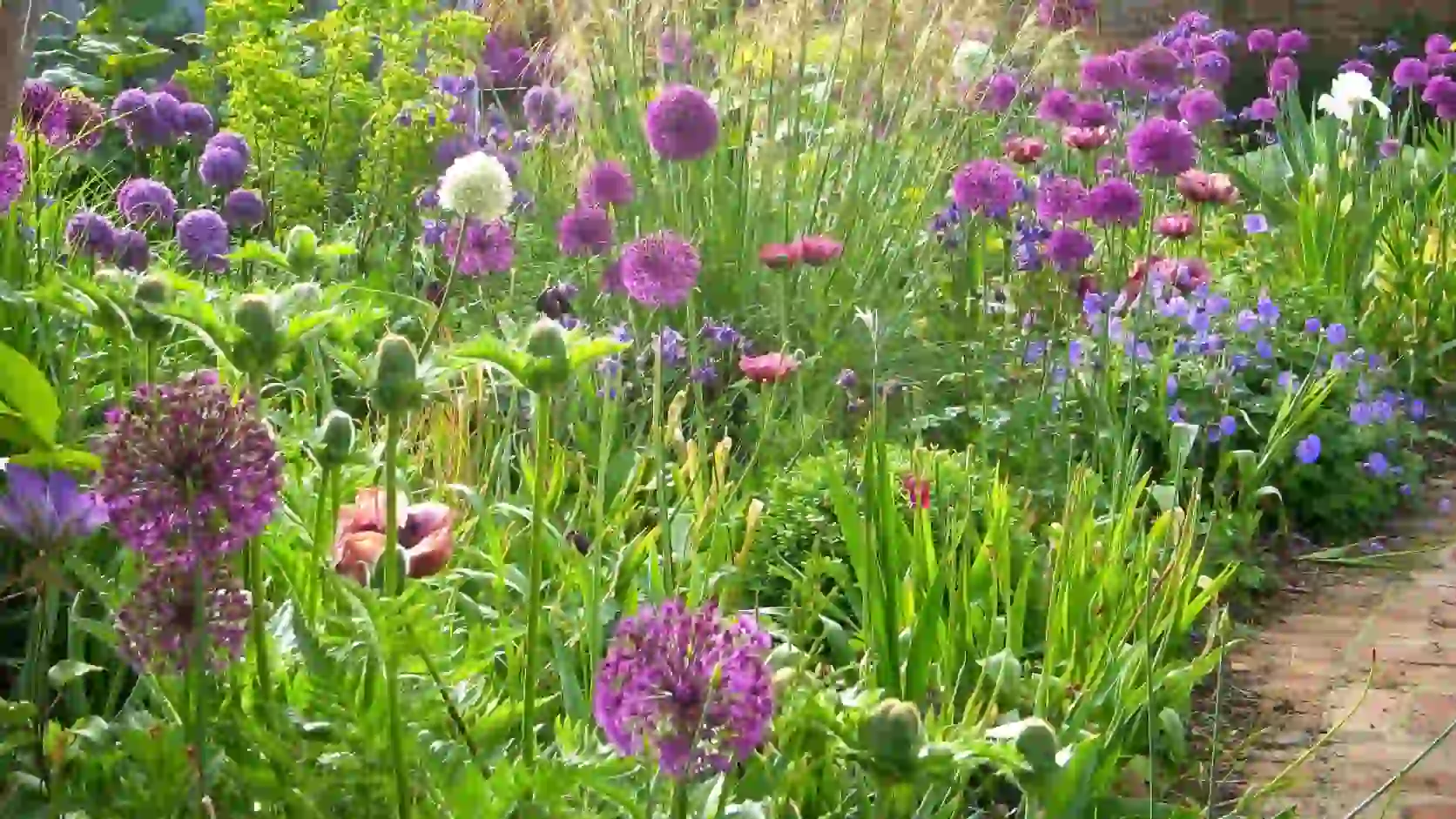
A low-maintenance border relies on permanent structure rather than seasonal replanting. Build it in three layers. Put evergreen shrubs at the back for height and a year-round backdrop. Fill the middle with ornamental grasses and sturdy perennials that stand without staking. At the front, use low, mounded plants that soften the edging without sprawling over the lawn.
Keep the border deep enough for layering but reachable from both sides or from stepping stones, and mulch every exposed patch. In temperate climates, add bulbs that naturalise and return each year rather than bedding that needs replacing. Most grasses and perennials here need one main cut-back a year at the end of their dormant season, plus a quick tidy of anything that has flopped.
Water-Efficient Garden Design
Watering is the job that keeps people tied to their gardens through summer. Water-efficient garden design reduces how much you need, and simple automation handles most of the rest.
Group Plants by Water Needs
Hydrozoning means placing plants with similar water needs together. Put thirsty plants near the house and the tap, and drought-tolerant plants in the far or exposed corners. You can then water each group correctly instead of overwatering everything to keep one plant happy, and irrigation zones become simple to set up.
Use Drip Irrigation on a Timer
Drip lines and soaker hoses deliver water straight to the roots, so less evaporation and dry leaves suffer fewer fungal problems. A timer runs the system without you, ideally early in the morning. Automated doesn’t mean forgotten: check emitters for blockages, clean filters and adjust run times as the seasons change. New plants need more frequent watering until their roots establish.
Plan for Heat and Dry Conditions
Hot climates demand extra planning for soil, shade and plant choice. In arid regions such as the UAE, high summer temperatures, sandy soils and intense sun change the rules. Many temperate favourites, including lavender, can struggle there. Work organic matter into beds so they hold water, mulch generously, and use trees, pergolas or shade sails to block the afternoon sun. Planning shade early often saves more water than any irrigation upgrade.
Low Maintenance Front Garden Ideas
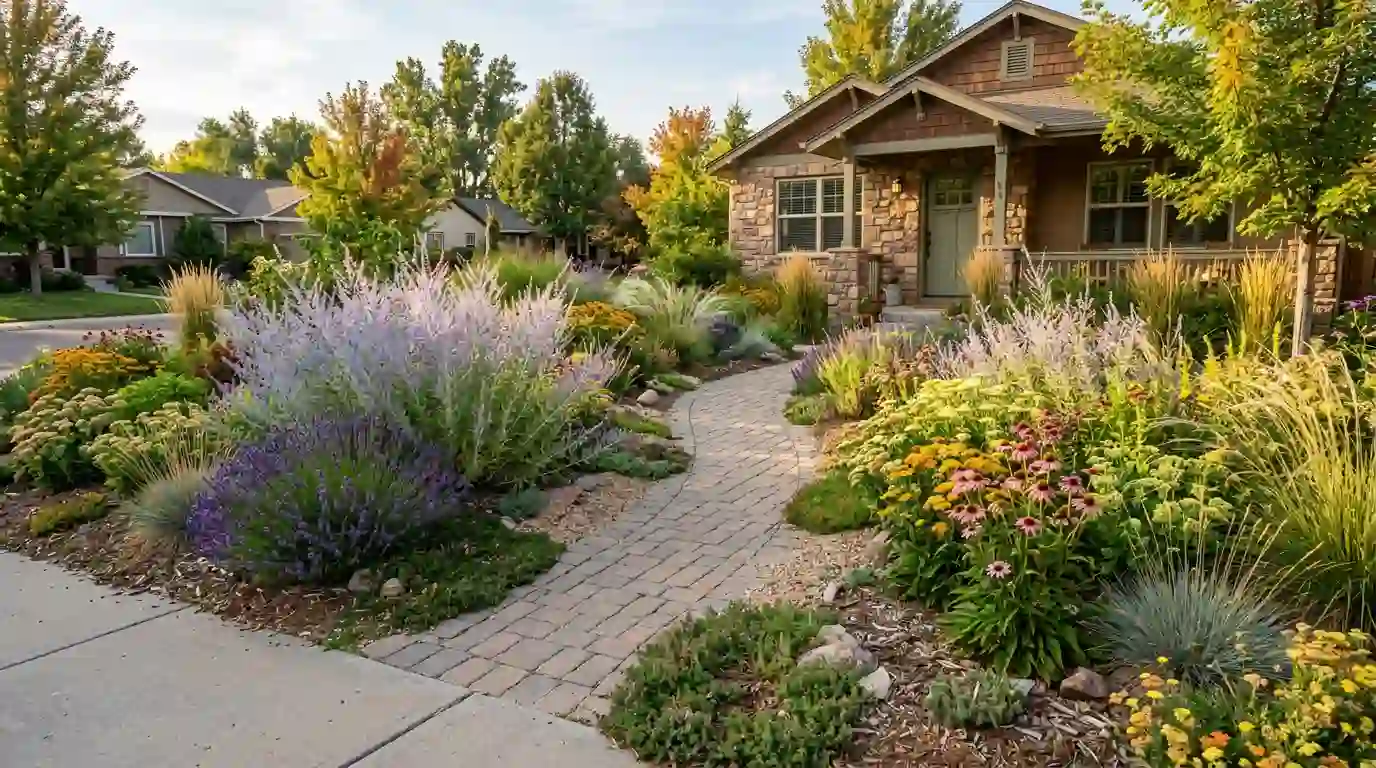
A front garden must look neat from the street every day, yet it’s the area you use least, so simplicity works best. A clear, well-lit path and one or two structural evergreens or a small tree create a polished frontage. Add a mulched or gravelled bed beneath them and the upkeep stays minimal. Symmetry helps because it looks deliberate even with few plants.
Avoid small front lawns, which need the same mower and edging as a large lawn for little return. Screen bins behind a slatted store or short fence panel. If you pave for parking, choose a permeable surface and check local drainage rules first. Solar path lights add street appeal without running costs.
Low Maintenance Backyard and Small Garden Ideas
Backyards and small spaces call for different priorities. Family backyards need surfaces that survive heavy use, while compact gardens and balconies need restraint, because every untidy detail shows.
Backyards for Families and Entertaining
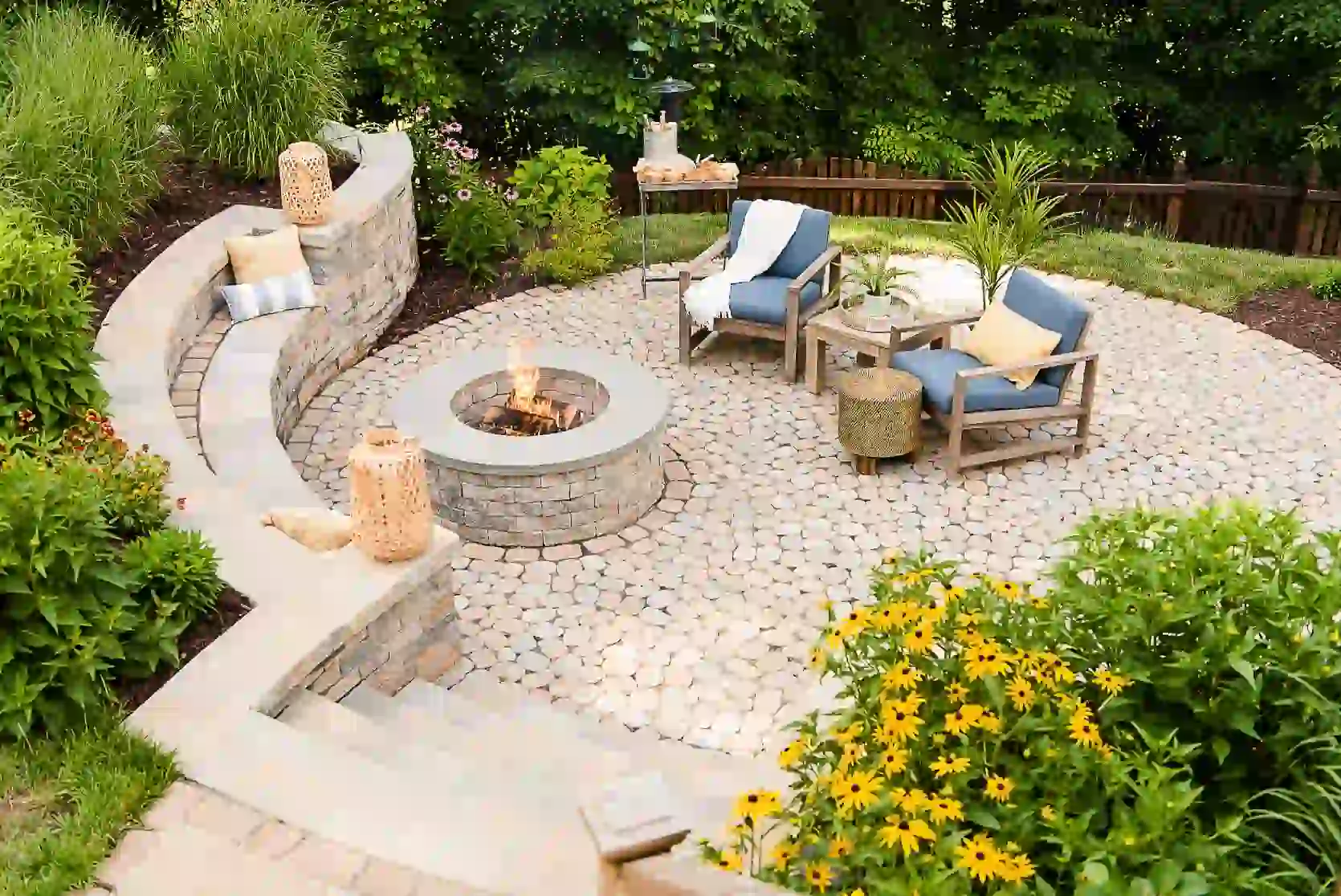
In a family backyard, durability matters as much as low upkeep. Put dining and play areas on hard-wearing surfaces close to the house. Use artificial turf or a tough grass mix only where children actually play. Plant robust shrubs around the edges instead of delicate perennials, and add shade over seating and play areas so the garden stays usable for more of the year.
Small Gardens, Courtyards and Balconies
Small gardens look larger and stay tidier with fewer materials and fewer, bigger features. Use one surface throughout so the space feels open and is quick to sweep. Choose a few large containers rather than many small pots, since larger volumes of compost dry out more slowly. Self-watering planters or a drip line to each pot remove most daily watering. Built-in benches with storage keep cushions and tools out of sight.
Easy Ways to Keep a Garden Tidy All Year
Even the best low-maintenance design needs a light routine. The goal is to handle small jobs before they become big ones.
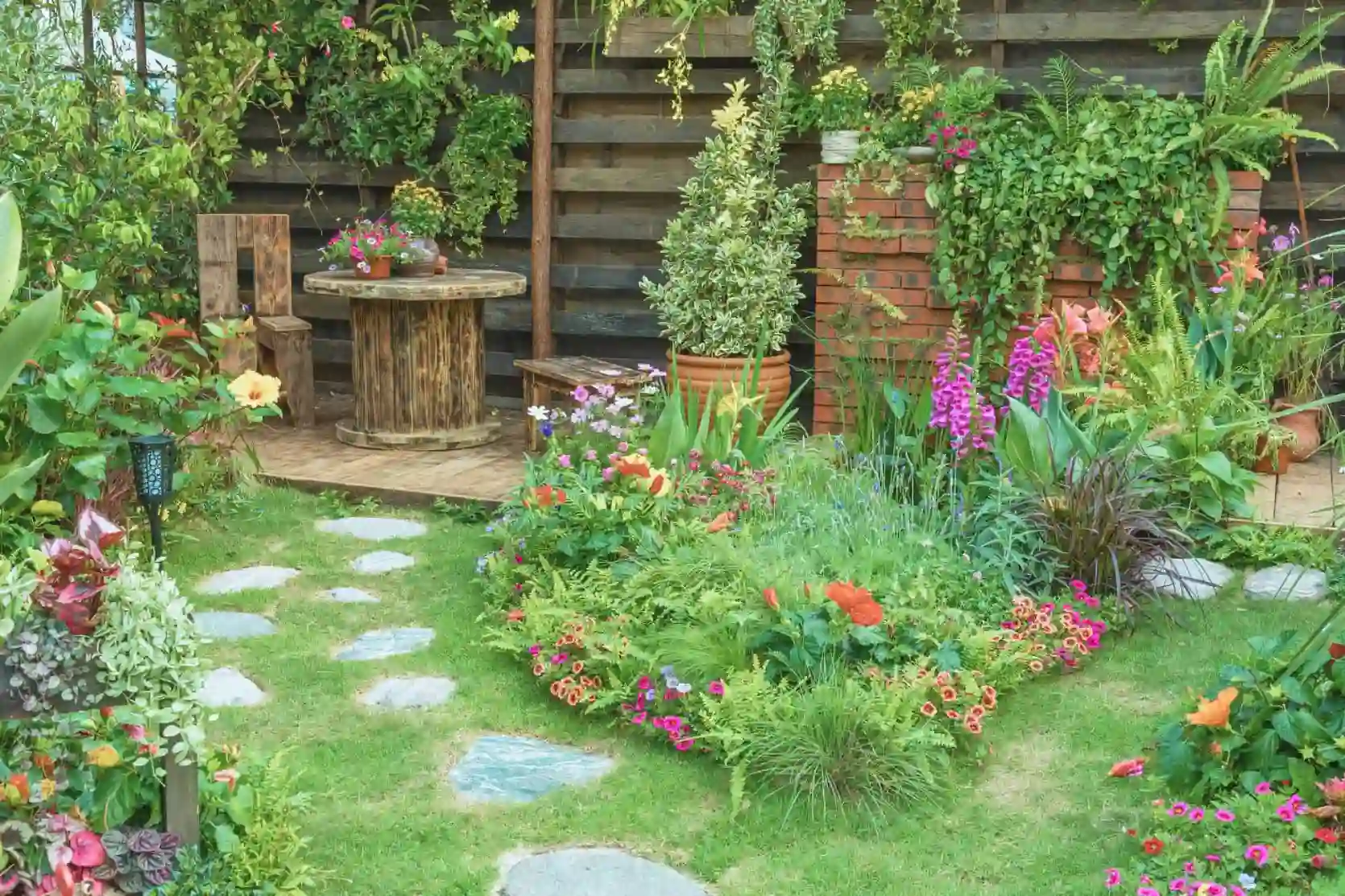
- Little and often: A short weekly walk around the garden lets you pull weed seedlings while they’re tiny, sweep hard surfaces and spot irrigation problems early.
- A few times a year: Top up thinning mulch, trim edges, prune shrubs after flowering, and clean decking, paving and artificial turf.
- Once a year: Cut back grasses and perennials, service irrigation and tools, and replace any plant that demands constant attention.
Storage finishes the job. A shed, storage bench or wall rack keeps tools and hoses off patios, and a hose reel stops tangles across paths.
Final Words
The most effective low maintenance garden ideas remove work at the design stage instead of adding labour later. Plants chosen for your climate, soil and light stay healthy with little help. A simple, zoned layout with crisp edging looks neat between tidy-ups, and covered soil, a smaller lawn and durable surfaces cut the weekly workload.
No single solution suits every garden. Artificial grass may be ideal for a shaded courtyard but wrong for a large, sunny plot, and gravel can become a leaf trap under trees. Decide how much time you want to spend outdoors, then choose the plants, materials and layout that fit your space and climate.
Frequently Asked Questions
What Is the Easiest Type of Garden to Maintain?
The easiest garden to maintain usually has a simple layout, mostly evergreen shrubs and grasses suited to the local climate, mulched or gravelled beds, little or no lawn, and drip irrigation on a timer. Hard surfaces such as paving and composite decking need the least care, while annual bedding, roses and small pots need the most.
Which Plants Need the Least Maintenance?
Slow-growing evergreen shrubs, ornamental grasses and drought-tolerant plants matched to your climate need the least attention. In temperate gardens, pittosporum, hebe and rosemary are reliable; in hot, dry gardens, Texas sage, agave and aloe cope well. A plant suited to your soil, sun and rainfall will always need less work than a low maintenance plant in the wrong spot.
What Is the Best Ground Cover for a Low-Maintenance Garden?
It depends on the area. Organic mulch suits planting beds because it suppresses weeds and improves soil. Gravel works for dry, sunny spots and paths. Living ground covers such as Geranium macrorrhizum or creeping thyme suit slopes and gaps between shrubs. For lawns that are hard to keep, artificial grass removes mowing but still needs brushing and debris removal.
How Can I Create a Low-Maintenance Garden on a Budget?
Start with the cheapest, highest-impact changes: shrink the lawn, edge the beds and cover bare soil with mulch, which is often available inexpensively in bulk. Buy young plants, space them for their mature size, and divide plants you already have. Invest in durable hard landscaping and drip irrigation gradually, because these save the most time over the years.
Is Artificial Grass Really Maintenance-Free?
No, but it needs far less care than natural turf. It needs no mowing, watering or feeding, yet it still needs regular brushing to keep the fibres upright, removal of leaves and dust, and rinsing in areas pets use. A well-drained base prevents puddles, and shade helps because the surface heats up in direct sun.
How Do I Stop Weeds Growing Through Gravel?
Lay gravel a few centimetres deep over a compacted base and a permeable weed membrane, and contain it with edging. Most weeds in established gravel grow from seeds that land on top, so clear leaves and debris regularly, pull seedlings while they are small, and don’t let soil or compost build up between the stones.
How Can I Make an Existing Garden Lower Maintenance Without Starting Again?
Work in stages. Fix the most time-consuming area first, which is often lawn edges or a persistently weedy bed. Then mulch all bare soil, replace struggling or oversized plants with better-suited ones, and add edging and drip irrigation. Many gardens become much easier to manage after a few targeted changes rather than a full redesign.