
What Is a Mezzanine Floor? Types, Benefits & Uses
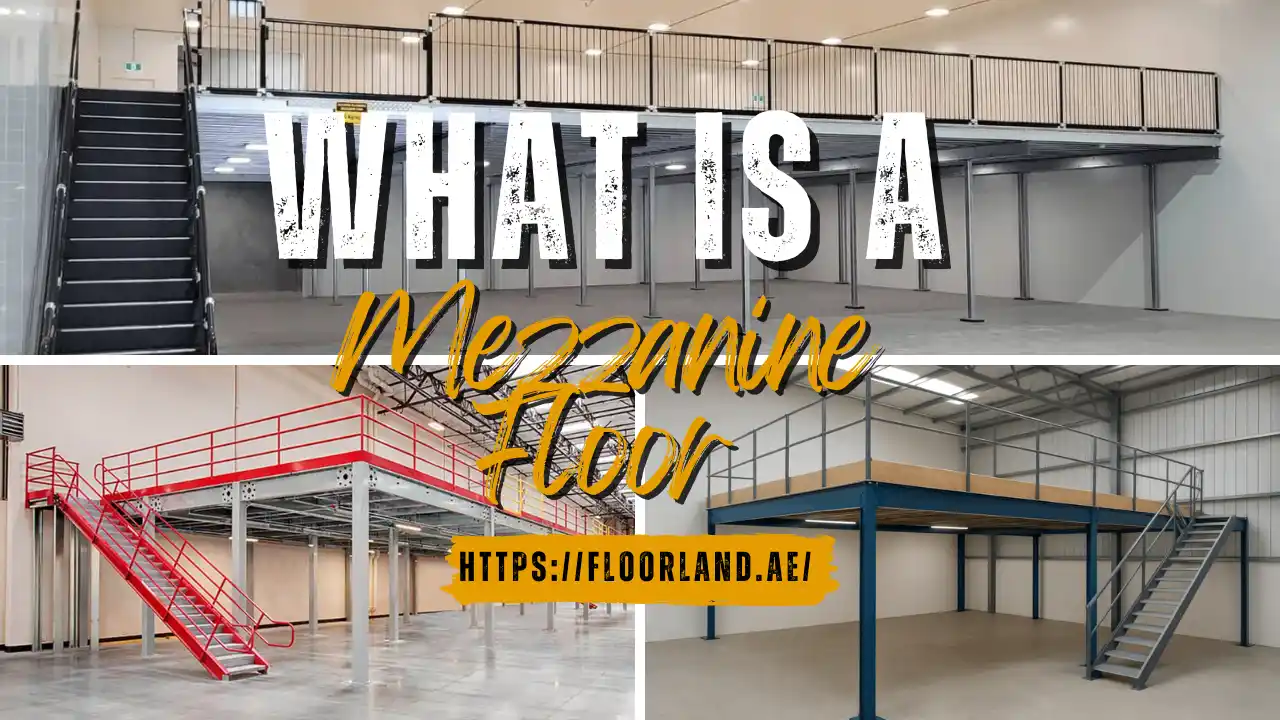
Modern businesses and warehouses are always looking for smart ways to maximize available space without incurring the cost of building expansion. This is where a mezzanine floor becomes a practical and cost-effective solution. This best floor is an intermediate level installed between the main floor and ceiling, creating additional usable space within an existing structure. It can be used for storage, offices, production areas, retail displays, and many other purposes.
One of its biggest advantages is that it increases floor capacity without requiring major construction work. Whether for commercial, industrial, or retail environments, mezzanine floors help improve efficiency, organization, and productivity.
Detailed Guide To Mezzanine Floor
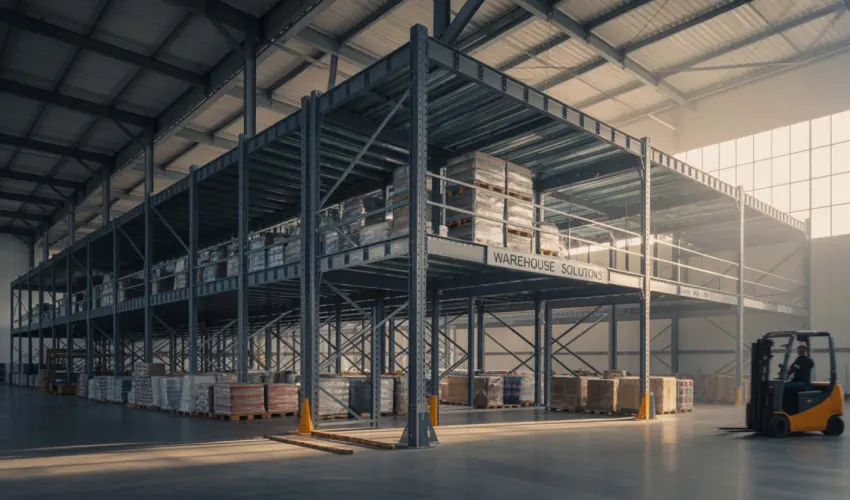
A mezzanine floor is an intermediate level built between the floor and the ceiling of a building. It does not usually count as a full storey. Instead, it sits in the open vertical space that would otherwise go unused, increasing usable Floor Land space and improving property efficiency.
The word “mezzanine” comes from the Italian word mezzano, which means “middle.” That meaning fits perfectly. A mezzanine is a middle level that adds usable area inside a structure.
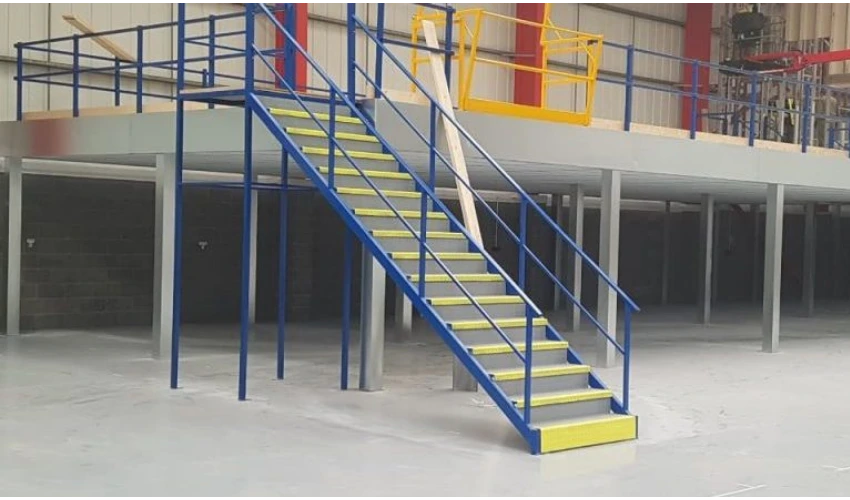
In most cases, a mezzanine covers only part of the floor below it. It is reached by a staircase, and sometimes by a lift or a ladder. The level is supported by its own frame, so it can often stand without leaning on the building’s walls.
The result is extra floor space created from thin air. You keep your footprint the same. You simply use the room above.
How Is a Mezzanine Floor Built?
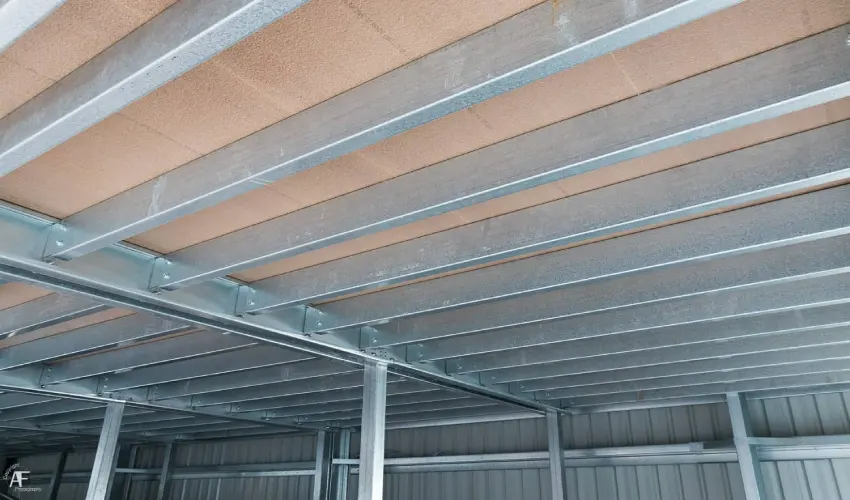
A mezzanine is an engineered structure, not a shelf. Understanding its parts helps you see why design and survey work matter so much.
Most commercial mezzanines share the same core components:
- Columns. These are the upright steel posts that carry the load. They rest on base plates that spread the weight evenly onto the floor slab below.
- Primary beams. These are the main horizontal supports. They span across the columns and hold the structure together.
- Secondary beams, or joists. These sit on top of the primary beams. They create a tighter grid to support the deck.
- Decking. This is the surface you walk on. It is the finished floor of the new level.
- Bracing. These are diagonal supports that keep the frame stable and stop it from swaying.
Each part is sized for the weight the floor must carry. A mezzanine for light office use is designed differently from one built to hold heavy stock or machines. This is why a load assessment is one of the first steps in any serious project.
Common Types of Mezzanine Floors
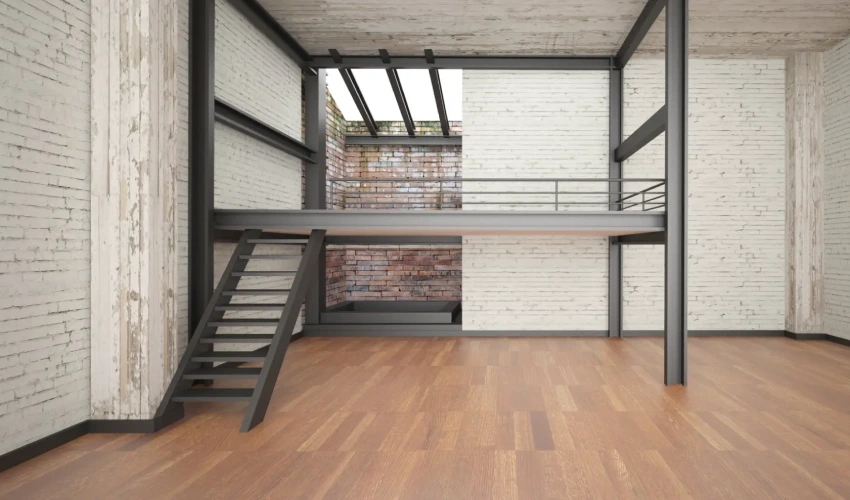
Mezzanine floors are flexible. The right type depends on how you plan to use the space. Below are the most common categories.
1. Free-Standing Mezzanines
This is the most popular type. The structure stands on its own columns and does not rely on the building’s walls. It can often be moved or expanded later. This makes it ideal for tenants and for businesses that expect to grow.
2. Rack-Supported Mezzanines
Here, the storage racking itself supports the floor above. The racks act as both shelving and structure. This design suits warehouses that need dense storage at high levels.
3. Office Mezzanines
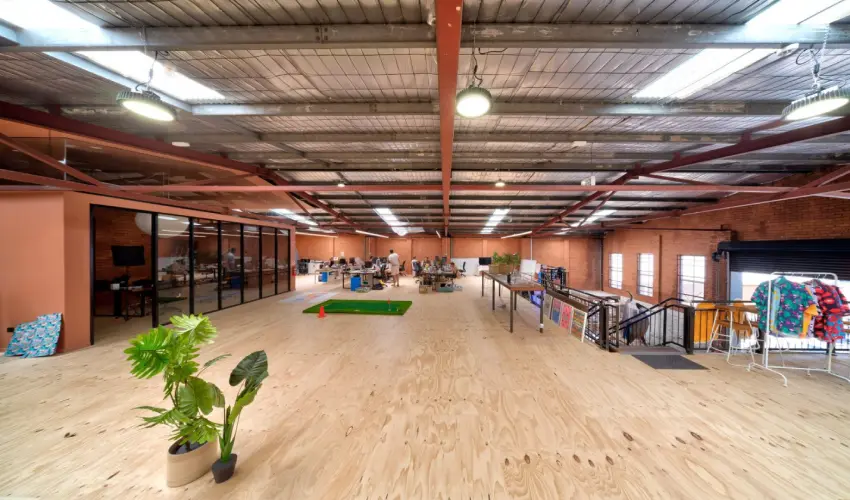
These create raised office space inside a larger building. They often include partition walls, glazing, lighting, and proper insulation. A factory or warehouse can gain a quiet, finished workspace without losing ground-floor area.
4. Multi-Tier Mezzanines
When ceilings are very high, you can stack more than one mezzanine level. This multiplies your usable area many times over within the same building.
What Materials Are Used for Mezanine Floors?
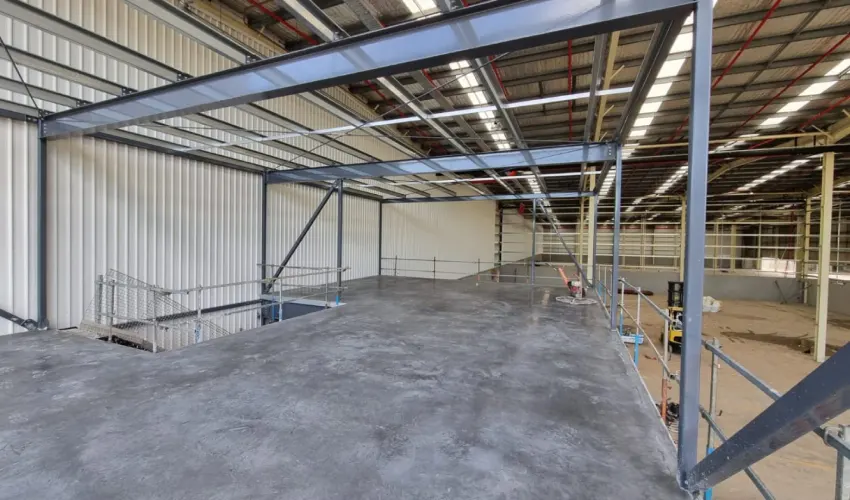
The material affects the strength, cost, and look of the finished floor. The main choices are steel, timber-based decking, and concrete.
Steel forms the frame in most commercial mezzanines. It is strong, durable, and well-suited to heavy loads. The structural frame is almost always steel.
Timber-based decking is common for the walking surface. Heavy-duty chipboard is a typical choice. Many businesses also install SPC flooring over mezzanine decks because it offers durability, water resistance, and low maintenance requirements. It can be covered with a tougher top layer where extra protection is needed.
Steel or aluminium grating is used where you want a slip-resistant, open surface. It also lets light, air, and sprinkler water pass through.
Concrete decking is used when the floor must be permanent and bear very heavy loads. It is the strongest option, but also the least flexible to move later.
Where Are Mezzanine Floors Used?
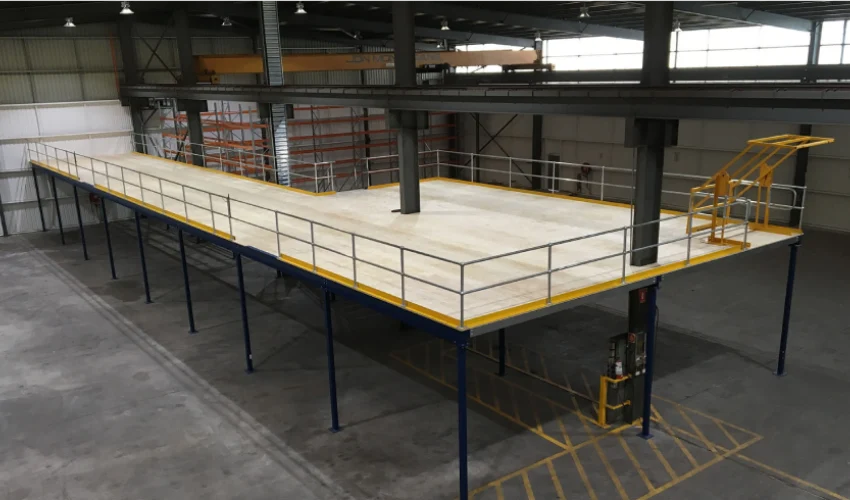
Mezzanine floors appear across many industries. Anywhere with spare ceiling height is the best option. Common uses include:
- Warehouses and distribution centers, for extra storage and order picking.
- Factories and production sites, for assembly lines or equipment.
- Retail stores, to add selling space or stockrooms above the shop floor.
- Offices, to add desks, meeting rooms, or breakout areas.
- Showrooms and gyms, where a raised level improves layout and flow.
The pattern is always the same. A business needs more room, and the ceiling height is being wasted. A mezzanine solves both at once.
Key Benefits of a Mezzanine Floor
A mezzanine floor offers real, measurable advantages. These are the reasons businesses choose them again and again.
- More space, same building. You can often double your usable area. You do this without renting or buying extra property.
- Lower cost than relocating. Moving to a larger site is expensive and disruptive. A mezzanine is usually a fraction of that cost.
- Fast installation. Most mezzanines are built off-site and assembled on-site. This keeps downtime short and your business running.
- Flexibility. Many mezzanines can be extended, adapted, or even dismantled and rebuilt elsewhere. Your investment is not locked in place.
- Better use of an existing layout. You keep your ground-floor operations intact while gaining a whole new level above them.
Important Things to Consider Before You Install
A mezzanine is a long-term investment. A few checks early on will save time, money, and stress later. These points reflect the questions every experienced installer will raise.
1. Available Head Height
You need enough vertical room for two usable levels. There must be safe clearance below and above the mezzanine. A site survey confirms whether your ceiling height is suitable.
2. Load Capacity
The floor must be rated for its intended use. Storage and machinery need a stronger design than a quiet office. The existing floor slab must also be strong enough to carry the new columns. Slab details or a core test help confirm this.
3. Fire Safety
Depending on the size and use of the mezzanine, fire protection may be required. This can include fire-rated ceilings, protected columns, and smoke detection. Fire safety is not optional. It protects everyone who works above or below the floor.
4. Building Regulations and Approvals
Most regions treat a mezzanine as building work. That means it must meet local safety and building codes. Rules vary by country and city, so always check the requirements that apply to your location. A professional installer will guide you through this.
5. Access and Safety Features
Staircases, handrails, and safety gates must meet local standards. If the public will use the floor, the rules are usually stricter than for staff-only areas.
Final Words: Is a Mezzanine Floor Right for You?
A mezzanine floor is a clever answer to a common problem. You are out of space, but moving is costly. The room above your head is the obvious solution.
It works best when your ceiling is high, your floor slab is sound, and your needs are likely to grow. It gives you more space, faster and cheaper than most alternatives.
The key is good design. A proper survey, an honest load assessment, and full compliance with local rules turn a simple idea into a safe, lasting result.
If you are weighing up your options, speak to a qualified mezzanine specialist. The right team will assess your space, explain your options, and design a floor plan that fits your goals.
Frequently Asked Questions
Usually not. It is treated as an intermediate level rather than a full floor. Local rules can vary, so it is worth confirming for your project.
Many free-standing mezzanines can be dismantled and reassembled elsewhere. Permanent concrete designs are far harder to move.
It depends entirely on the design. Office floors carry lighter loads, while storage and production floors are built much stronger. The load rating is set during design.
In most places, yes. A mezzanine is a building component and must comply with local codes. Always check the rules for your area before you start.
A simple structure can go up quickly, often within weeks. Larger or fitted-out projects, such as offices, take longer due to the additional finishing work.

