How to Clean Shower Tiles and Grout - Floor Land

How to Clean Shower Tiles and Grout

How to Clean Shower Tiles and Grout - Floor Land

Dirty shower tiles and grout are one of the most common bathroom frustrations. But cleaning tiles and grout is so easy as you think. The trick isn’t scrubbing harder. It’s using the right cleaner for your tile, letting it do the work, and giving the grout the extra attention it actually needs.

This guide walks you through a proven, step-by-step method, plus how to handle soap scum, hard-water stains, mold, and discolored grout without damaging your tile. Everything here is built around what actually works in real bathrooms, not just what looks good on a label.

Quick Answer: To clean shower tiles and grout: ventilate the room, rinse the tiles with warm water, and spray a tile-safe cleaner (vinegar solution for ceramic/porcelain, an oxygen-based or pH-neutral cleaner for natural stone). Let it sit 10–15 minutes, scrub the tiles with a non-scratch sponge and the grout with a stiff brush, then rinse thoroughly and dry the surface to prevent new buildup.

How to Clean Shower Tiles and Grout: Quick Steps

How to Clean Shower Tiles and Grout Quick Steps

If you want the method first and the details later, here’s the full process in order:

  1. Ventilate the bathroom (open a window or run the exhaust fan).
  2. Remove bottles, razors, and mats so every surface is exposed.
  3. Rinse the tiles with warm or hot water to loosen surface grime.
  4. Apply your cleaner to tiles and grout, top to bottom.
  5. Wait 10–15 minutes so the cleaner can break down soap scum and stains.
  6. Scrub the tiles with a soft, non-scratch sponge or pad.
  7. Scrub the grout with a stiff-bristle brush or old toothbrush.
  8. Rinse everything thoroughly with clean water.
  9. Dry and buff with a microfiber cloth or squeegee.
  10. Maintain with a quick daily wipe and a weekly spray.

What You’ll Need For Cleaning Tiles & Grout

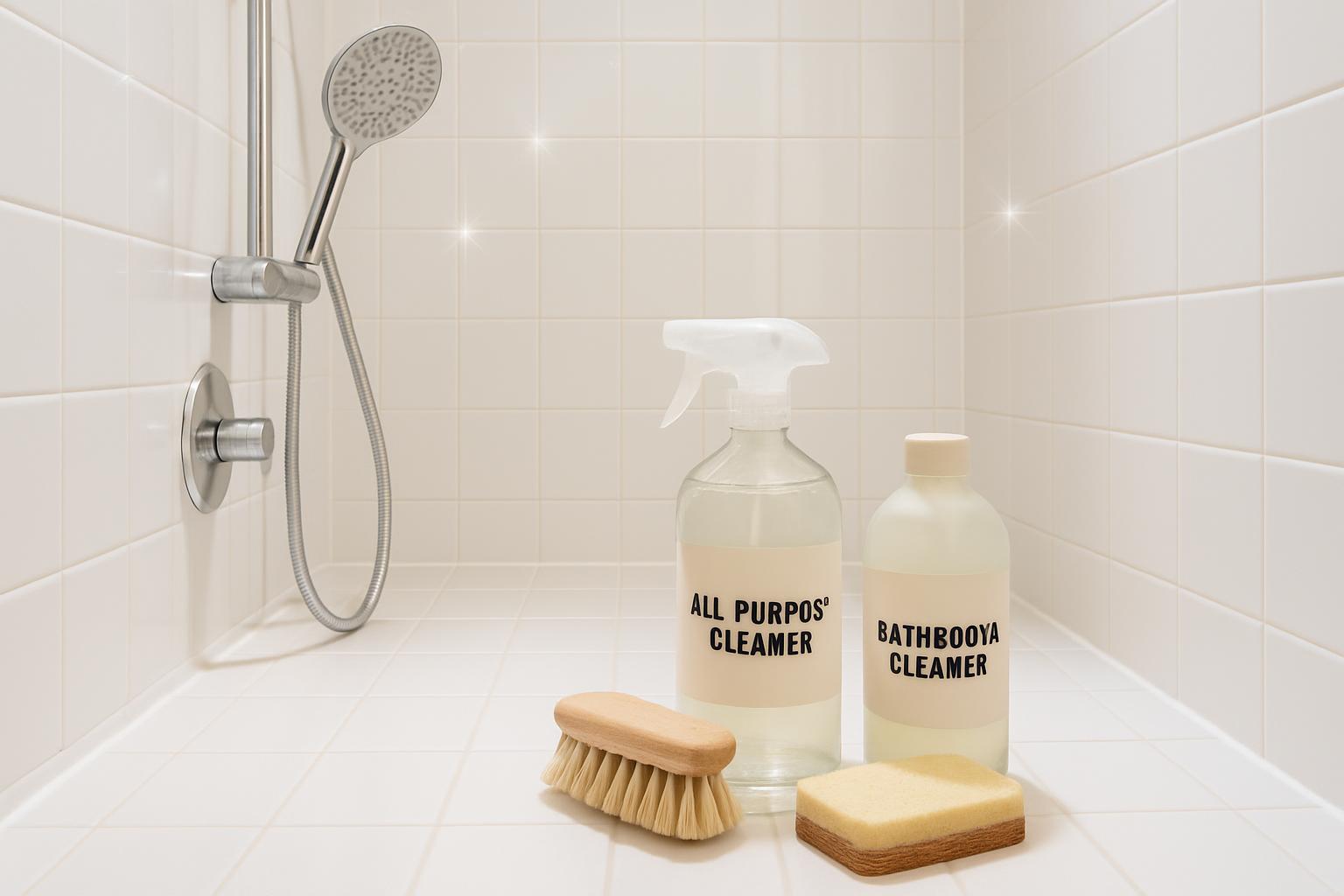
There is no need to have a cupboard full of tools and essentials for cleaning tile, shower, and grout.

  • Exhaust fan or open window (ventilation is non-negotiable, especially with bleach or store-bought cleaners)
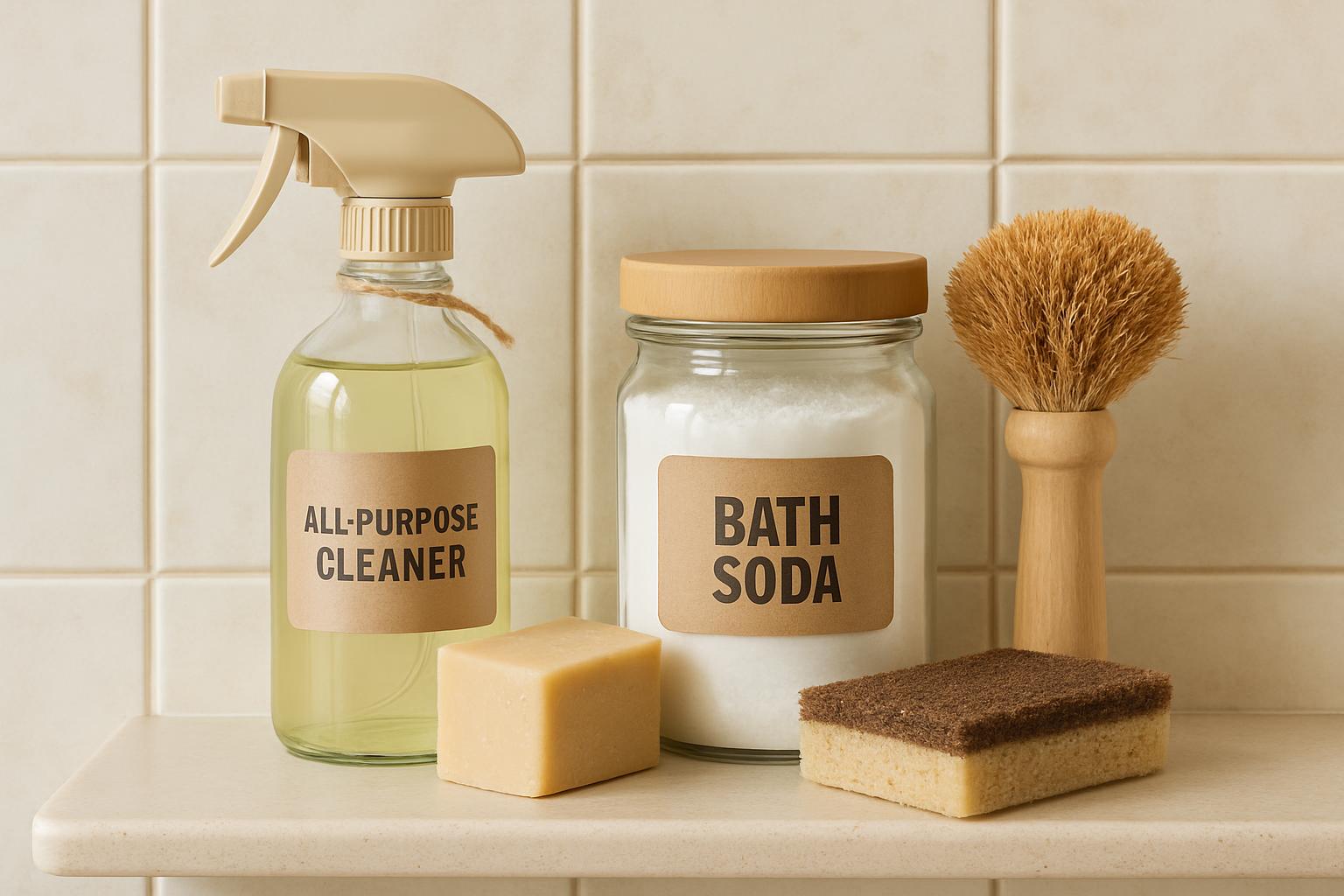
  • Spray bottle for homemade or diluted solutions
  • Non-scratch sponge or microfiber pad for tiles
  • Stiff-bristle grout brush or old toothbrush for grout lines
  • Microfiber cloths for drying and buffing
  • Squeegee for glass and large tile faces
  • Rubber gloves to protect your hands
  • Your chosen cleaner, matched to your tile type

Optional but useful for tough jobs: a steam cleaner, an oxygen-bleach powder (like a color-safe oxygen cleaner), hydrogen peroxide, and a grout pen for cosmetic touch-ups.

How to Clean Shower Tiles Step-by-Step

This is the core routine. It works for a weekly clean or a neglected, months-overdue shower.

Step 1: Ventilate the Bathroom

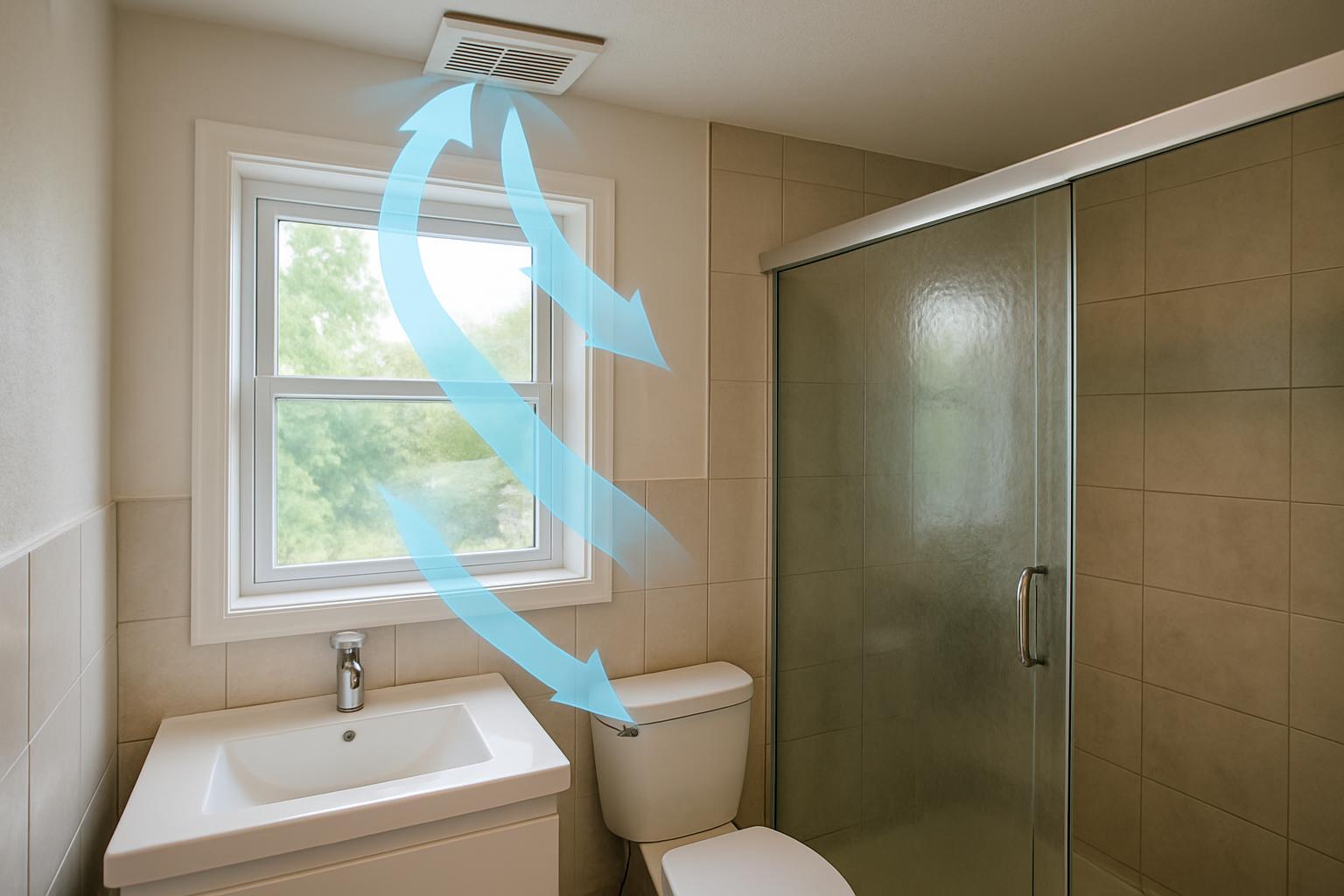
Open a window or run the exhaust fan before you start, and keep it running. Cleaning products and mold spores both concentrate in a closed bathroom. This isn’t optional if you are using bleach or any commercial mold remover.

Step 2: Clear the Shower

Remove bottles, razors, loofahs, soap, and mats. You want every inch of tile and grout exposed. Generally, buildup loves to hide behind that shampoo bottle you never move.

Step 3: Rinse with Warm Water

Run the shower hot for a minute, or splash warm water across the tiles. Heat and moisture loosen surface grime and soap scum, so your cleaner has less to fight through. Warm tile also helps cleaners react faster.

Step 4: Apply Your Cleaner

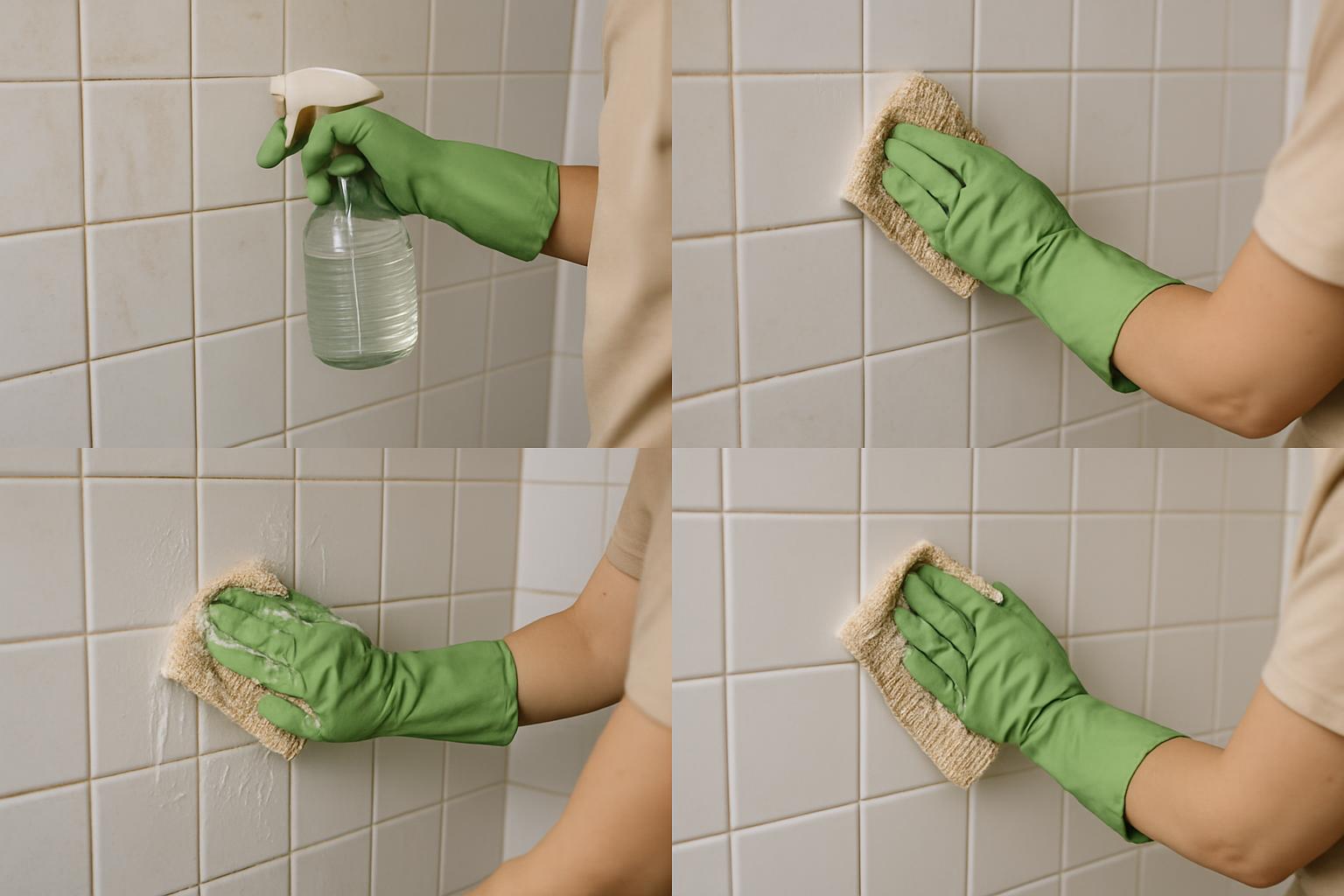
Spray or wipe your tile-appropriate cleaner across the tiles and into the grout lines, working top to bottom so drips don’t streak areas you’ve already cleaned. Make sure grout lines are visibly wet. They are the part that needs the most contact time.

Step 5: Let It Dwell

Walk away for 10–15 minutes. This is the step impatient cleaners skip, and it’s where most of the work happens. A cleaner that sits and breaks down soap scum chemically saves you from scrubbing aggressively. This approach protects both your tile and your back. For heavy buildup, let it sit up to 30 minutes and re-mist if it starts to dry.

Step 6: Scrub the Tiles

Use a non-scratch sponge or microfiber pad in firm, circular motions. Avoid steel wool, metal brushes, or gritty powders on glazed and glass tile. They leave micro-scratches that trap more dirt over time. Let the cleaner do the heavy lifting; you’re guiding it, not grinding.

Step 7: Clean the Grout Lines

Switch to a stiff-bristle grout brush or an old toothbrush and scrub along the grout lines, not across them. Apply steady pressure, but don’t go at it like you’re sanding wood. A common mistake is scrubbing grout so hard that it becomes more porous and stains more easily afterward. For stained grout, see the dedicated grout section below.

Step 8: Rinse Thoroughly

Rinse from the top down with clean, warm water until no cleaner residue remains. Leftover product attracts dirt and can leave a film, so don’t shortcut this.

Wipe everything down with a microfiber cloth or run a squeegee over the tiles and glass. Drying matters more than people realize: a dry shower can’t grow mold or form water spots. This single habit dramatically slows down how fast everything gets dirty again.

The order is ventilate, rinse, apply, wait, scrub, rinse, dry. It matters as much as the products. The cleaner dwells and then dry the surface afterward are the two steps that make the difference between a clean shower and a clean-then-instantly-dirty one.

Step 9: Dry and Buff

Wipe everything down with a microfiber cloth or run a squeegee over the tiles and glass. Drying matters more than people realize: a dry shower can’t grow mold or form water spots. This single habit dramatically slows down how fast everything gets dirty again.

The order is ventilate, rinse, apply, wait, scrub, rinse, dry. It matters as much as the products. The cleaner dwells and then dry the surface afterward are the two steps that make the difference between a clean shower and a clean-then-instantly-dirty one.

How to Deep Clean Shower Grout (The Part Most People Get Wrong)

For dirty or stained grout, scrub in a paste of baking soda and water. After that, spray with vinegar (on ceramic/porcelain only) or hydrogen peroxide, let it foam, then sit for 10 minutes, scrub with a stiff-bristled brush, and rinse. For tougher stains, use an oxygen-bleach solution instead of acid.

Grout needs its own strategy because the dirt is inside the material, not sitting on top of it. Here are the methods that actually reach it, from gentlest to strongest.

  1. Baking soda paste (everyday grime). Mix baking soda with a little water into a thick paste, spread it along the grout lines, and let it sit for 10 minutes. Scrub with a grout brush and rinse. This approach is safe on virtually all tile.
  2. Baking soda + hydrogen peroxide (discolored grout). Replace the water with 3% hydrogen peroxide. Peroxide is a gentle, color-safe whitener that works well on white and light grout. It’s stone-safe, unlike vinegar.
  3. Oxygen bleach (set-in stains). Dissolve an oxygen-bleach powder in warm water, apply it to the grout, and let it sit 15–30 minutes before scrubbing. Oxygen bleach brightens without the harshness of chlorine bleach and won’t damage colored grout. This is the safest “strong” option.
  4. Chlorine bleach (mold and last resort). Effective against mold stains but harsh. It can erode grout over time and discolor colored grout. Use sparingly, dilute it, ventilate well, and never mix it with vinegar, ammonia, or other cleaners.

When cleaning isn’t enough: If grout is cracked, crumbling, or permanently stained no matter what you try, you have two options. A grout pen can cosmetically refresh the color in minutes. Regrouting is scraping out the old grout and applying new grout; it’s the permanent fix for grout that’s past saving.

Pro tip from experience: Don’t reach for the strongest method first. Most “stained” grout is just dirty grout that hasn’t been deep-cleaned in a while. Start with baking soda and peroxide; you’ll be surprised how often that’s all it takes.

How to Remove Mold and Mildew from Shower Grout

Scrub the affected grout with a solution of one part bleach (or hydrogen peroxide) to several parts water, let it sit 10 minutes, scrub, and rinse. Ventilate the room, wear gloves, and fix the underlying moisture problem to prevent it from returning.

Mold and mildew appear as black, green, or pink spots in grout lines and corners. They’re not just ugly. The EPA notes that mold exposure can irritate the eyes, skin, nose, throat, and lungs, and can trigger asthma in sensitive people. So it’s worth removing properly.

The Method:

  1. Ventilate the bathroom and put on gloves.
  2. Apply a diluted bleach solution or undiluted 3% hydrogen peroxide directly to the moldy grout.
  3. Let it sit for about 10 minutes.
  4. Scrub with a stiff brush.
  5. Rinse thoroughly and dry the area completely.

The EPA’s guidance is reassuring here: for hard surfaces, you often don’t even need bleach, water, detergent, and scrubbing will remove visible mold, and the real goal is eliminating the moisture that lets it grow back.

Safety Warning

Never mix bleach with vinegar, ammonia, or other cleaners. The combination releases toxic chlorine or chloramine gas. Use one cleaner at a time, rinse between products, and keep the room ventilated.

When to Call a Professional

If mold keeps returning, covers a large area (the EPA suggests professional help for areas larger than about 10 square feet), or appears to be growing behind the tile, you likely have a moisture or waterproofing problem inside the wall that surface cleaning can’t fix.

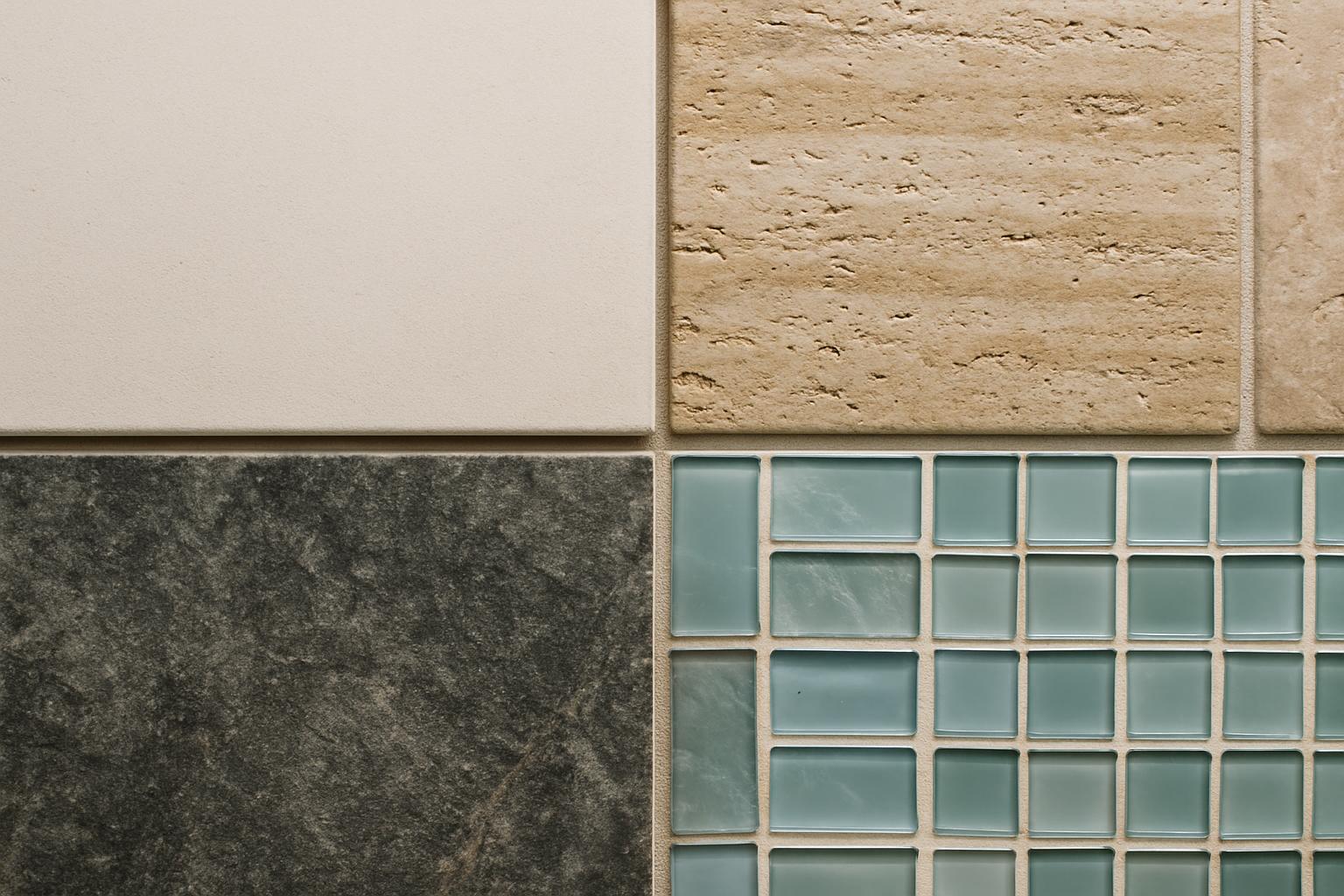
Know Your Tile Before You Clean

Tile Type Safe to Use Avoid Notes
Glazed ceramic Vinegar solution, baking soda, mild dish soap, most commercial sprays Abrasive powders on glossy glaze Most forgiving; the everyday tile in budget builds.
Porcelain Vinegar solution, oxygen bleach, pH-neutral cleaners Steel wool, harsh scouring Dense and durable; unglazed porcelain may need sealing.
Natural stone (marble, travertine, limestone, slate) pH-neutral stone cleaner, mild soap, oxygen-based cleaners Vinegar, lemon, any acid; bleach on dark stone Acid etches the surface; always seal stone.
Glass tile / Mosaic Mild soap, vinegar solution, non-abrasive pads Gritty scrubs that scratch Watch the grout lines. There are many of them.
Unglazed / Quarry tile pH-neutral cleaner, oxygen bleach Strong acids More porous; benefits from sealing.

Homemade Shower Tile and Grout Cleaners That Actually Work

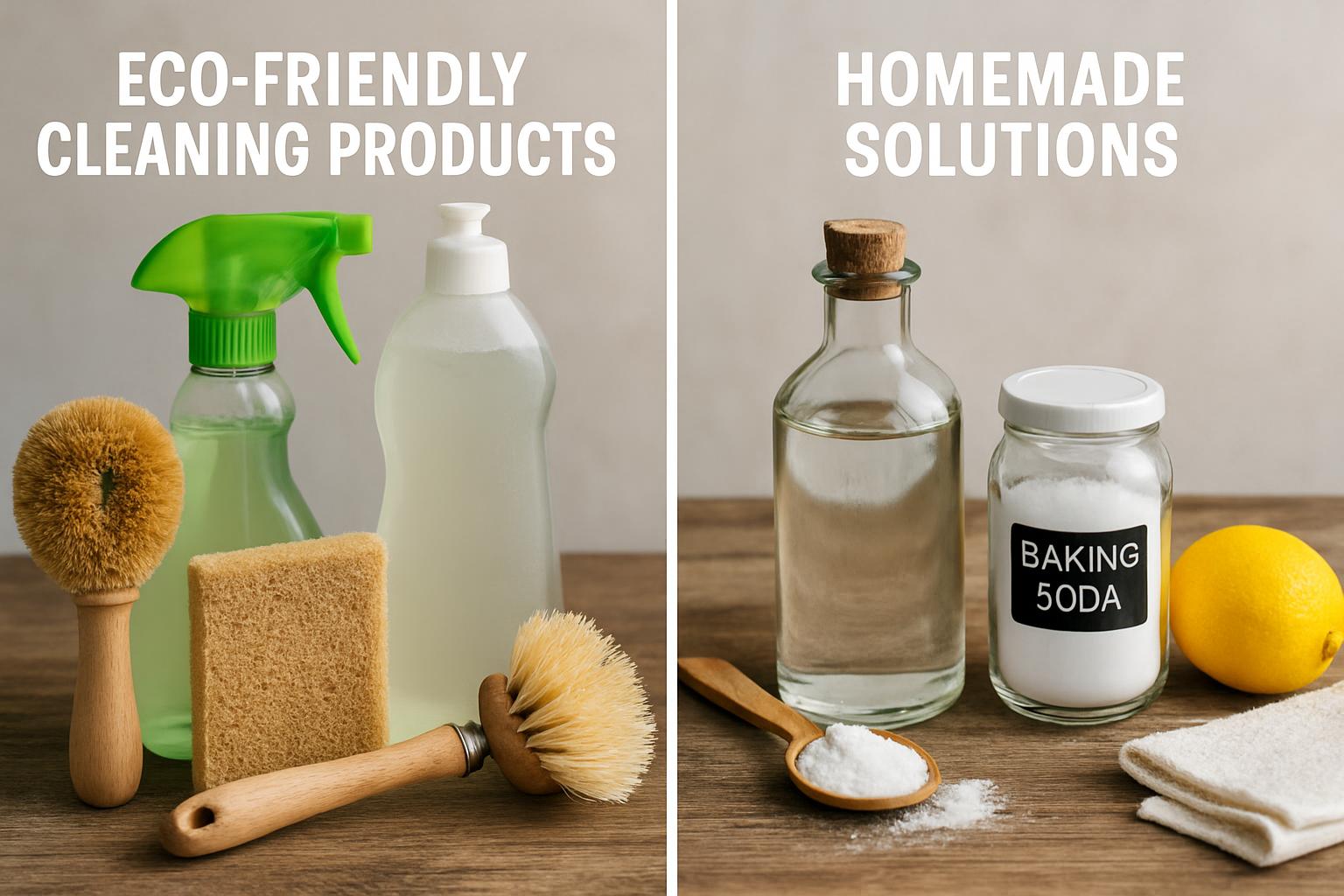
These are reliable, low-cost recipes. Remember the rule from earlier: acid-based recipes (vinegar, lemon) are for glazed ceramic, porcelain, and glass only, never natural stone.

  • All-purpose vinegar spray: Mix equal parts cleaning vinegar and warm water in a spray bottle. Add a few drops of dish soap to cut grease. Great for soap scum on ceramic and glass.
  • Baking soda scrub: Make a paste with baking soda and water for grout lines and stubborn spots. Gentle, mildly abrasive, safe on most surfaces.
  • Peroxide grout brightener: Combine baking soda with 3% hydrogen peroxide into a paste. Stone-safe and excellent for whitening light grout.
  • Dish soap + warm vinegar (heavy soap scum): Warm equal parts vinegar slightly, mix with an equal amount of dish soap, apply, and let sit. The warmth supercharges scum removal on ceramic and glass.
  • Castile soap solution: A few tablespoons of liquid castile soap in warm water makes a gentle, stone-safe everyday cleaner.

A note on the famous vinegar-and-baking-soda combo: When you mix them, they fizz and mostly neutralize each other into water and salt. It’s satisfying to watch, but chemically it’s weaker than using each one separately. For best results, scrub with the baking soda paste first, then spray vinegar on top to lift the loosened residue. Don’t pre-mix them in a bottle.

Best Store-Bought Cleaners for Shower Tiles & Grout Cleaning

Rather than chasing brand names, match the cleaner to the problem. These categories cover almost every shower situation:

  • Daily shower spray: A no-rinse spray you mist on after showering to prevent buildup. The cheapest insurance against ever needing a deep clean.
  • Soap scum & hard-water remover: Acidic or specially formulated sprays that dissolve mineral deposits and scum fast. Check stone-safety on the label.
  • Mold & mildew remover: Bleach- or peroxide-based sprays designed to cling to vertical surfaces. Ventilate when using.
  • Grout cleaner / brightener: Thicker formulas that sit in grout lines to lift staining. Often paired with a brush.
  • pH-neutral stone cleaner: Essential if you have marble, travertine, or other natural stone, safe for surfaces acid would ruin.

Whatever you choose, read the label for tile compatibility, and always test a new product on a hidden area first.

Natural vs. Commercial Cleaners: Which Should You Use?

Short answer: Natural cleaners (vinegar, baking soda, hydrogen peroxide) are cheap, low-odor, and great for routine cleaning and light buildup. Commercial cleaners work faster on heavy soap scum, hard-water stains, and mold. Many people use both—natural for upkeep, commercial for deep cleans.

Factor Natural Cleaners Commercial Cleaners
Cost Very low (pantry staples) Moderate to high
Speed Slower; needs dwell time Fast-acting
Heavy Soap Scum / Hard Water Decent with effort Excellent
Mold & Mildew Good (peroxide, bleach) Excellent (dedicated removers)
Odor & Fumes Mild Often strong; ventilate
Safe on Natural Stone Only non-acidic ones Check label; many aren't
Best For Routine upkeep, light jobs Neglected showers, tough stains

How to Clean Specific Shower Problems?

Different stains need different approaches. Here’s how to target the common ones.

1. Soap Scum

Warm the tiles first, then apply a vinegar solution (ceramic/glass) or a dedicated scum remover. Let it dwell, scrub with a non-scratch pad, and rinse. Warmth is the secret—cold scum is stubborn.

2. Hard Water and Mineral Deposits

Those cloudy white or rust-colored spots respond to acidic cleaners on ceramic and glass. For stone, use a stone-safe product and gentle agitation. A water softener or simply drying the shower after use prevents them from forming.

3. Pink or Orange Stains

That pink film is usually Serratia marcescens, an airborne bacterium that feeds on soap and shampoo residue, not actually mold. Scrub it away with a bleach or peroxide solution, rinse, and keep the area dry to stop it returning.

4. Black Mold

Treat as described in the mold section: bleach or peroxide solution, dwell, scrub, rinse, dry. If it’s deeply embedded in grout and keeps coming back, the grout may need to be removed and replaced.

5. Glass Shower Doors

Spray with a vinegar solution or glass-safe cleaner, scrub gently, rinse, and squeegee dry. A daily squeegee after showering is the single best habit for spotless glass.

Why Shower Tiles and Grout Get Dirty So Fast

Showers are the perfect storm for buildup: constant moisture, warmth, and a steady supply of soap, oils, and minerals. Four things are usually to blame.

  • Soap scum. When soap reacts with minerals in your water, it leaves a chalky, sticky film that clings to tile and glass.
  • Hard-water deposits. Calcium and magnesium in tap water dry into cloudy white or rust-colored stains, especially around fixtures.
  • Body oils and skin cells. These feed bacteria and contribute to that grimy haze on lower tiles.
  • Mold and mildew. Warm, damp, poorly ventilated showers are an ideal breeding ground, particularly in grout.

Grout is the real problem area, and it’s worth understanding why. Most shower grout is cement-based, which makes it porous. It absorbs water, soap residue, and grime like a sponge. Once that material soaks in, surface cleaning alone won’t reach it, which is why grout discolors faster than the tile around it.

The moisture issue is bigger than a cosmetic one. Researchers writing in the journal Indoor Air (Mudarri & Fisk, 2007) estimated that roughly 47% of U.S. homes show signs of dampness or mold, and bathrooms are among the most common trouble spots. The EPA is blunt about the cause: the key to controlling mold is controlling moisture. That single idea drives almost every maintenance tip later in this guide.

Mistakes to Avoid When Cleaning Shower Tiles and Grout

Avoiding these will protect your tile and save you work:

  • Using vinegar or lemon on natural stone. Acid permanently etches and dulls stone. This is the most damaging and most common mistake.
  • Scrubbing grout too hard. Aggressive scrubbing wears down the grout surface, making it more porous and causing it to stain more quickly afterward.
  • Skipping the dwell time. Cleaners need minutes to break down buildup. Spraying and immediately scrubbing wastes both product and effort.
  • Mixing bleach with other cleaners. Bleach plus vinegar or ammonia produces toxic gas. One cleaner at a time, always.
  • Using steel wool or abrasive pads on glaze and glass. They cause micro-scratches that trap dirt.
  • Leaving the shower wet. Walking away from a wet shower invites mold and water spots. Dry it.
  • Cleaning with no ventilation. Fumes and spores both build up in a closed bathroom.

How to Keep Shower Tiles and Grout Clean Longer

Squeegee or wipe down tiles after every shower, run the fan during and after bathing, use a daily shower spray, do a weekly wipe-down, and seal your grout once or twice a year. Prevention takes seconds and eliminates the need for harsh deep cleans.

The most effective cleaning strategy is the one that keeps the shower from getting dirty in the first place. Here’s a realistic routine:

After every shower (30 seconds):

  • Squeegee the tiles and glass.
  • Leave the door or curtain open and the fan running to let the space dry out.

Weekly (a few minutes):

  • Mist tiles and grout with a daily or all-purpose spray and wipe down.
  • Hit any spots starting to discolor before they set.

Monthly:

  • Do the full step-by-step clean above, with extra attention to grout.

Should You Seal Your Grout?

Yes, if your grout is cement-based. Because cement grout is porous, a sealer fills those microscopic pores and creates a barrier against water, soap, and mold. It won’t make grout stainproof, but it dramatically reduces how fast it gets dirty and how deep stains penetrate.

A few practical points from the pros:

  • Use a penetrating (impregnating) sealer in showers—it soaks in and lets the grout breathe. Surface/membrane sealers can trap moisture and aren’t ideal for wet areas.
  • Reseal high-use shower grout every 6–12 months, and roughly every 1–2 years for low-traffic or guest showers.
  • Test whether you need to reseal by dripping water on the grout: if it beads up, the seal is intact; if it soaks in and darkens, it’s time to reseal.
  • Epoxy grout is the exception; it’s non-porous and never needs sealing.

Sealing is a beginner-friendly DIY project, and it’s one of the highest-return habits for a low-maintenance shower.

How Often Should You Clean Shower Tiles and Grout?

Short answer: Wipe or squeegee daily, do a light spray-clean weekly, deep-clean the tiles and grout monthly, and reseal cement grout every 6–12 months.

A simple schedule to follow:

  • Daily: Squeegee/wipe and ventilate after showering.
  • Weekly: Quick spray-and-wipe of tiles and grout.
  • Monthly: Full deep clean, including grout scrubbing.
  • Every 6–12 months: Reseal cement-based grout (more often for heavily used showers).

Adjust for your household. A busy family bathroom needs more frequent attention than a guest shower used twice a month. The goal is consistency; small, regular effort beats occasional marathon scrubbing every time.

Final Thoughts

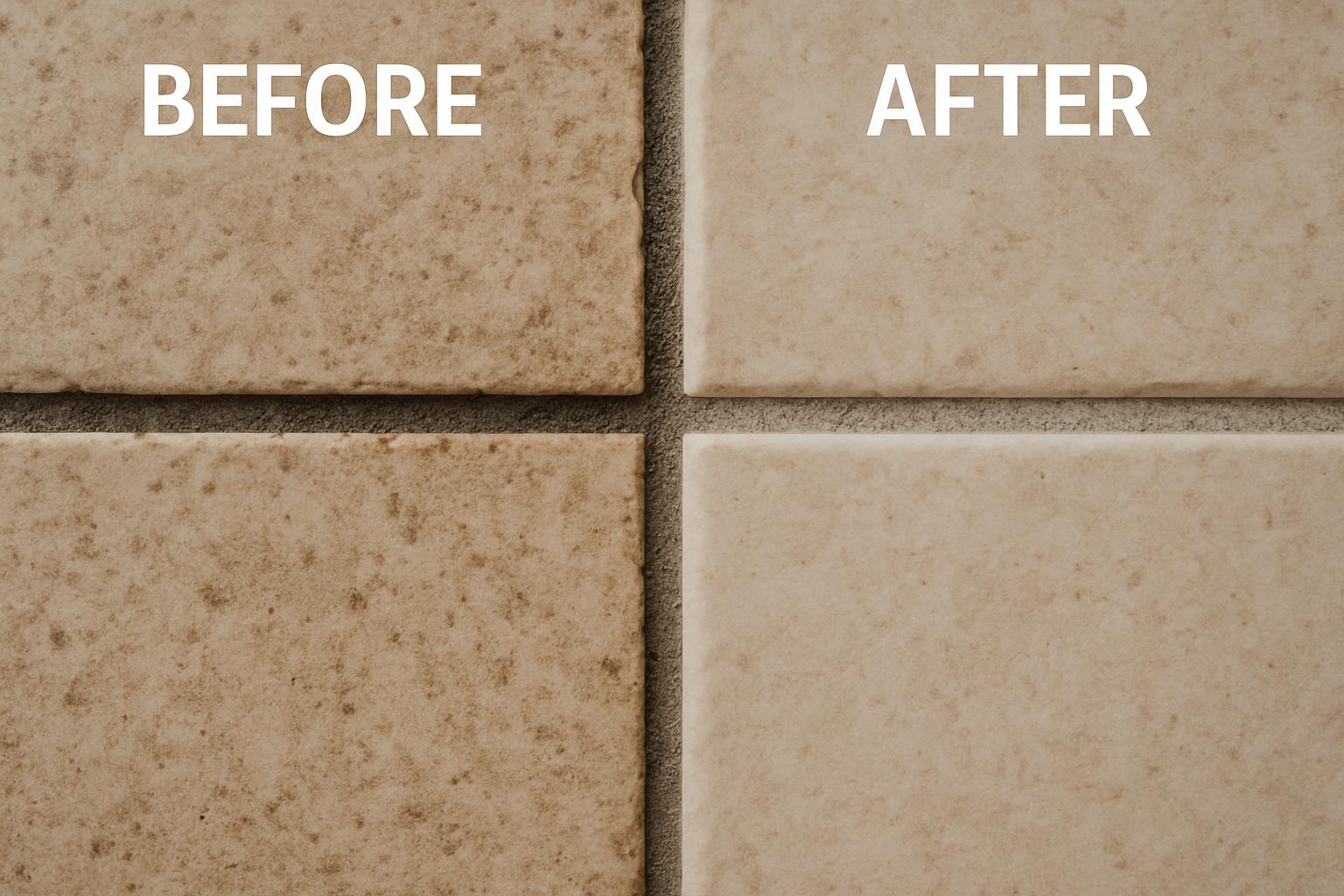
Clean shower tiles and grout come down to three principles: match the cleaner to your tile, let it dwell instead of scrubbing harder, and keep the surface dry afterward. Identify your tile type before reaching for vinegar, give grout the extra attention it needs because of how porous it is, and treat mold as a moisture problem rather than just a stain.

The real win, though, is maintenance. A 30-second squeegee after each shower, a weekly spray, and resealing your grout once or twice a year will spare you almost every harsh deep-clean you’d otherwise face. Showers don’t get filthy overnight, and with a little consistency, yours never has to.

Disclaimer: This guide is for general home-care purposes. When using any cleaning product, follow the manufacturer’s label, ventilate the area, and test on a hidden spot first, especially on natural stone. For persistent or large-scale mold, consult a professional.

A clean concrete floor is not about scrubbing harder. It’s about knowing your floor and being gentle with it. Sweeping often. Mop with a pH-neutral cleaner. Treat stains early. Reseal when the time comes. Do that, and your concrete floor will stay smooth, bright, and beautiful for years.

Need help sealing, polishing, or refinishing your concrete floors? The team at Floor land works with concrete floors every day. Get in touch, and we will help you keep yours looking its best.

Frequently Asked Questions

What is the best homemade cleaner for shower tiles and grout?

For glazed ceramic, porcelain, and glass, a 1:1 vinegar-and-water spray plus a baking soda paste for grout works extremely well. For natural stone, skip the vinegar and use a baking soda-hydrogen peroxide paste or a pH-neutral cleaner.

Can I use bleach on shower grout?

Yes, but use it sparingly and diluted. Bleach removes mold stains effectively but can erode grout over time and discolor colored grout. Oxygen bleach is a gentler, color-safe alternative. Never mix bleach with vinegar or ammonia.

Why does my grout turn yellow or dark?

Grout is porous, so it absorbs soap scum, body oils, hard-water minerals, and mold. Without sealing and regular cleaning, that buildup discolors the grout from within. A deep clean plus resealing usually restores it.

How do I permanently remove black mold from grout?

Clean it with a bleach or hydrogen peroxide solution, then, crucially, fix the moisture problem feeding it: improve ventilation, dry the shower after use, and reseal the grout. If mold keeps returning or covers a large area, the grout may need replacing, or a pro may need to check behind the tile.

Can you clean shower tiles without scrubbing?

Mostly, yes. Spray a cleaner with good dwell time (or use a daily no-rinse spray), let it break down buildup, and rinse. A steam cleaner also loosens grime with minimal scrubbing. You’ll still need light brushing for set-in grout stains.

Is vinegar safe on all shower tiles?

No. Vinegar is safe on glazed ceramic, porcelain, and glass, but its acidity etches and dulls natural stone like marble, travertine, and limestone. Always identify your tile first.

What’s the pink stuff in my shower?

It’s usually Serratia marcescens, an airborne bacterium that feeds on soap and shampoo residue, not mold. Scrub it off with a bleach or peroxide solution and keep the area dry to prevent it from returning.

Should I seal my shower grout after cleaning?

Yes, if it’s cement-based. Sealing after a deep clean (once the grout is fully dry) protects it from absorbing water and stains, and makes future cleaning far easier. Epoxy grout doesn’t need sealing.

Does a steam cleaner work on shower tiles?

Yes, steam loosens soap scum, grime, and mildew with little to no chemicals, and high heat helps sanitize grout. It’s a great option for sensitive surfaces, though you’ll still wipe away the loosened residue afterward.

Why does my shower get dirty again so quickly?

Usually because it stays wet. Soap scum, mold, and water spots all need moisture. Squeegeeing and ventilating after every shower remove moisture and are the single most effective way to keep a shower clean longer.

MEET THE AUTHOR

Olivia Sterling

FLOORING EXPERT & PROJECT MANAGER

I’m a Professional Flooring Expert and project manager at Floorland.ae, dedicated to executing high-end commercial and residential flooring installations. Having overseen 500+ successful transformations, I combine premium material selection with seamless coordination to deliver flawless results on time and within budget.

LinkedIn